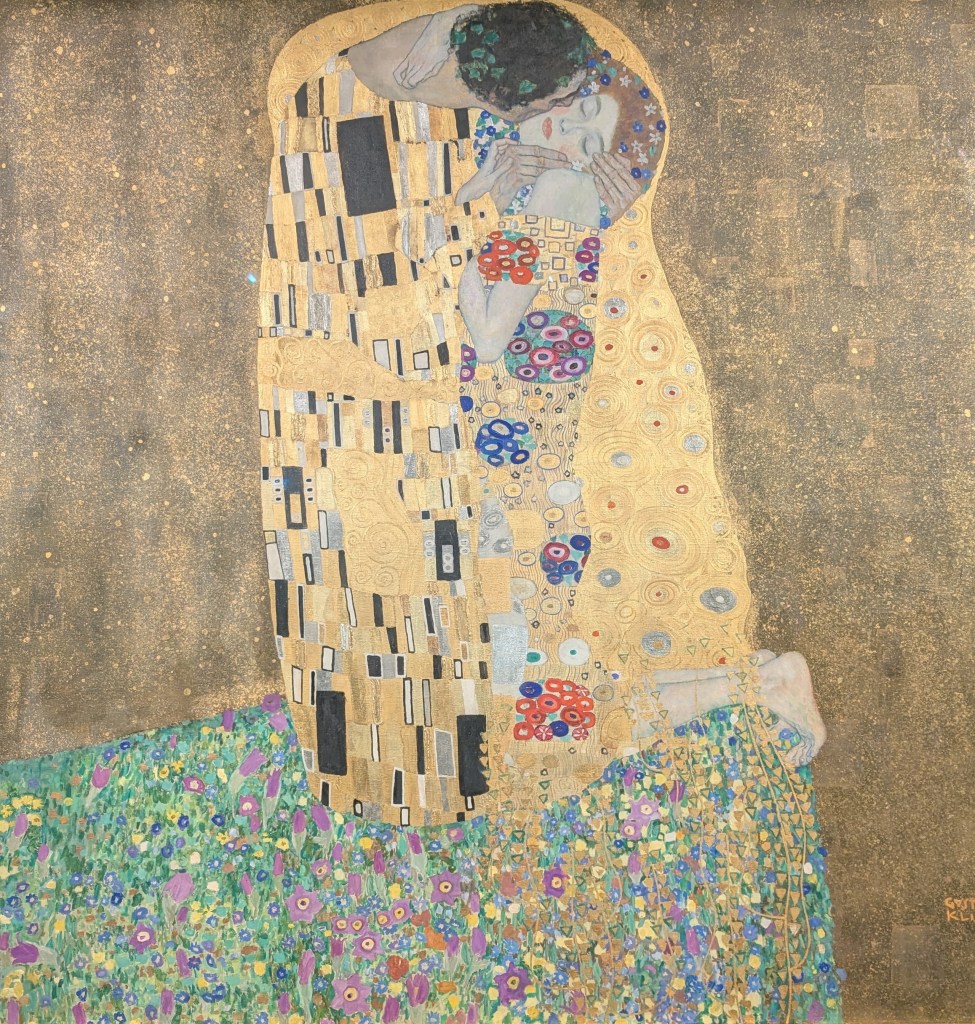
Klimt’s Kiss is a bit of a letdown, but at least it’s bigger than I thought. Unlike its many prints that follow an elongated, rectangular shape, it actually has a square base of about 1.8 metres by 1.8 metres. The painting is constantly surrounded by a throng of museum visitors; half of them are rich Chinese people, enjoying Europe before the next geopolitical storm barricades the gates to the continent for them. It’s hard to push my way through to the very front, it’s a meticulous operation with high risk of failure, as everyone seems to want a selfie with the painting.
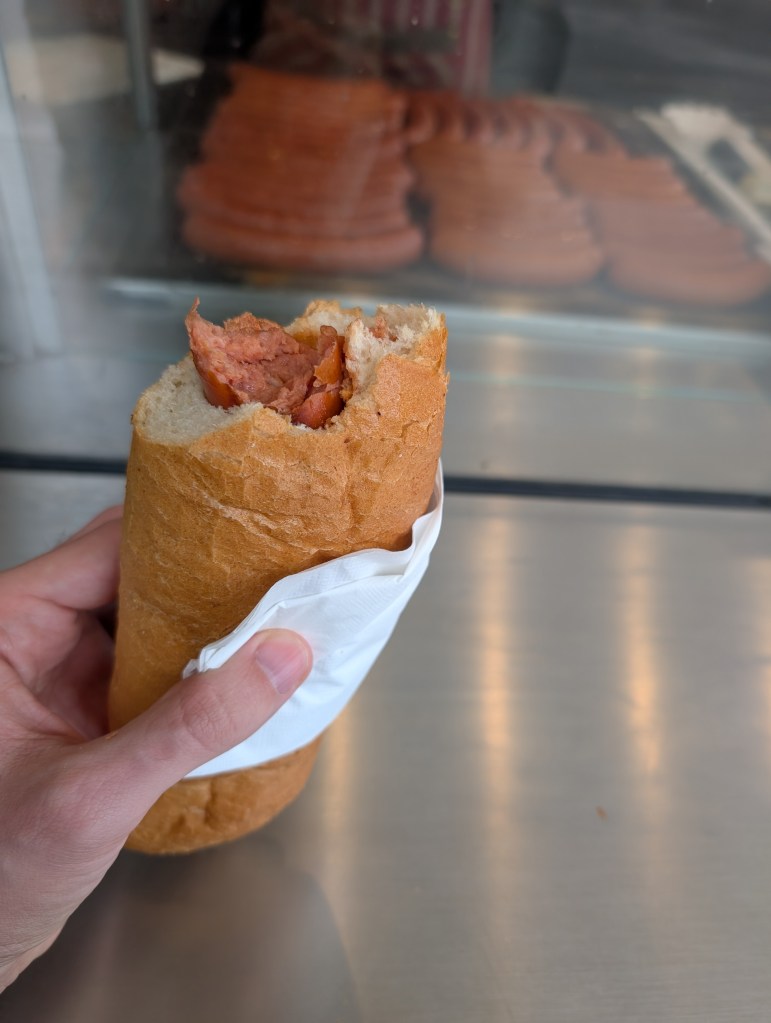
But there are so many other works of art to see in the Upper Belvedere! I bought my skip-the-line ticket a few hours earlier while riding the Viennese subway. I am really content with how easy it is to get around the Austrian capital; the underground, the suburban trains, the trams and buses, they all create a seamless system. Perhaps that’s why I am way too early to the museum. I decide to go for a walk to St. Stephen’s cathedral. On my way there, I stop at a stall to get some of that street food specialty, a grilled wurst in a wheat bun. There’s about a dozen of Italians gesturing helplessly to indicate their food preferences. Compared to them I am a shadow, get in, get out; who knew ten years of learning German would finally come in handy at a sausage joint?
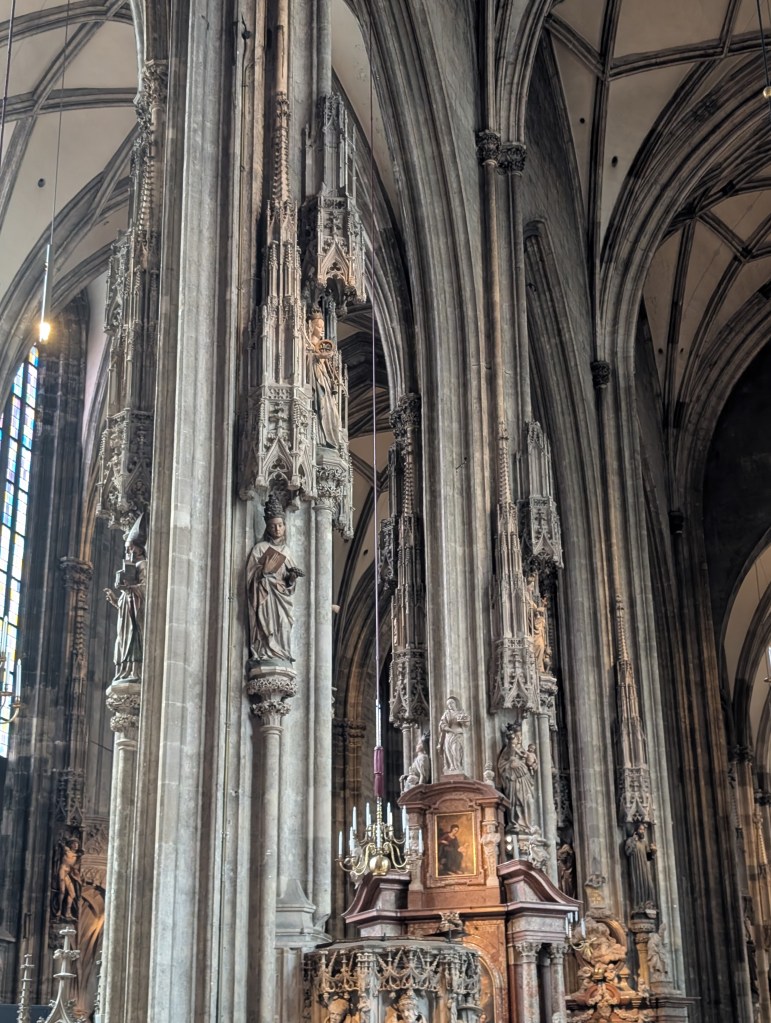
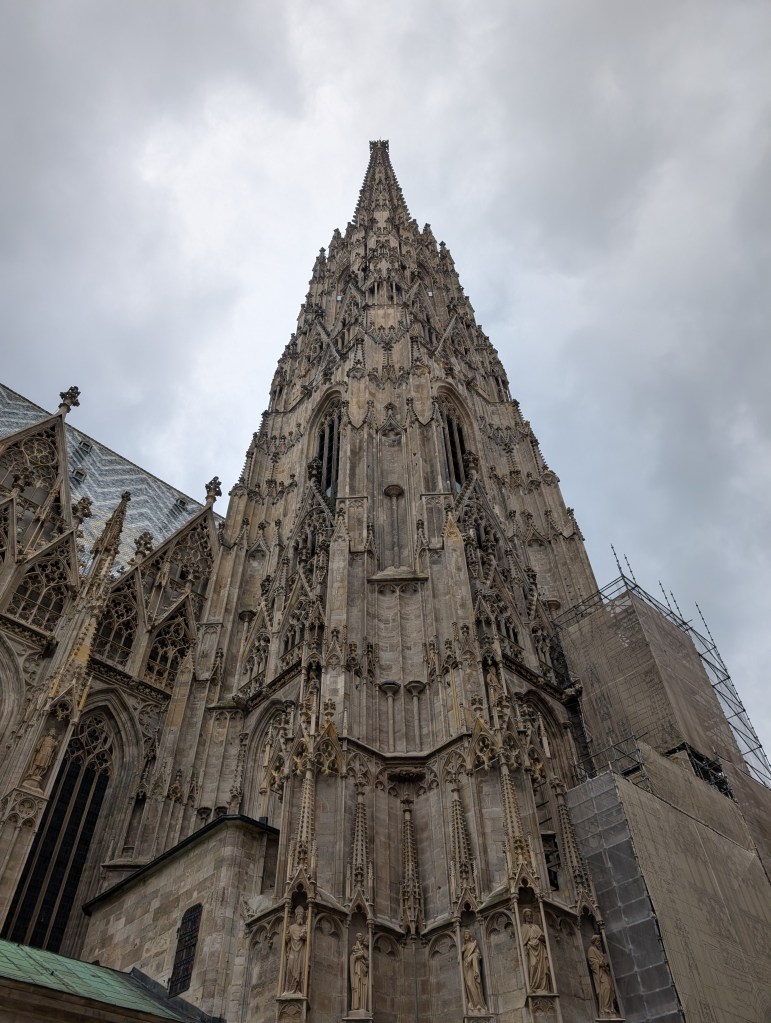
And then off to the cathedral, as it is still two hours till my entrance time at the Belvedere. The church is swarming with tourists, but even with their incessant buzz, I can hear what has always been dearest to me inside any church, its acoustics, the echoing of someone’s shambling walk or the susurrus of group prayers. The Romanesque/Gothic edifice is majestic, layer after layer after layer of history, all of it accumulated in less than nine hundred years. It must be someone’s parish, and I start wondering how the parishioners deal with this constant influx of curious sightseers. It’s an insurmountable dilemma: leaving it open to the masses helps to keep it renovated, but then it’s never going to be a shelter from the spiritual storm of many a believer. St. Stephen’s is in stark contrast to my hometown’s cathedral, lesser, a bit forgotten, but giving a necessary dose of peace within its walls.


As the hour is approaching, off I fuck to the Upper Belvedere. It almost ends in failure, because I cannot enter with a backpack, and I have no cash on me to use the lockers inside. Fortunately, one of the staff in the museum gives me a chip that imitates a two-euro coin, and the gates are wide open once more.
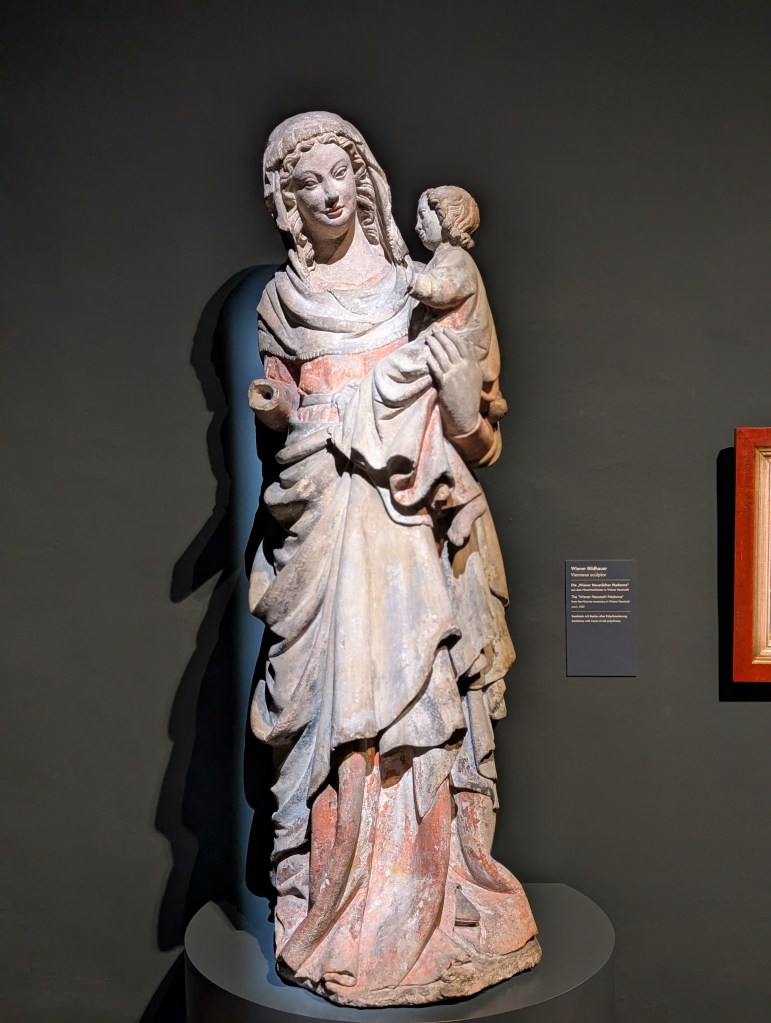
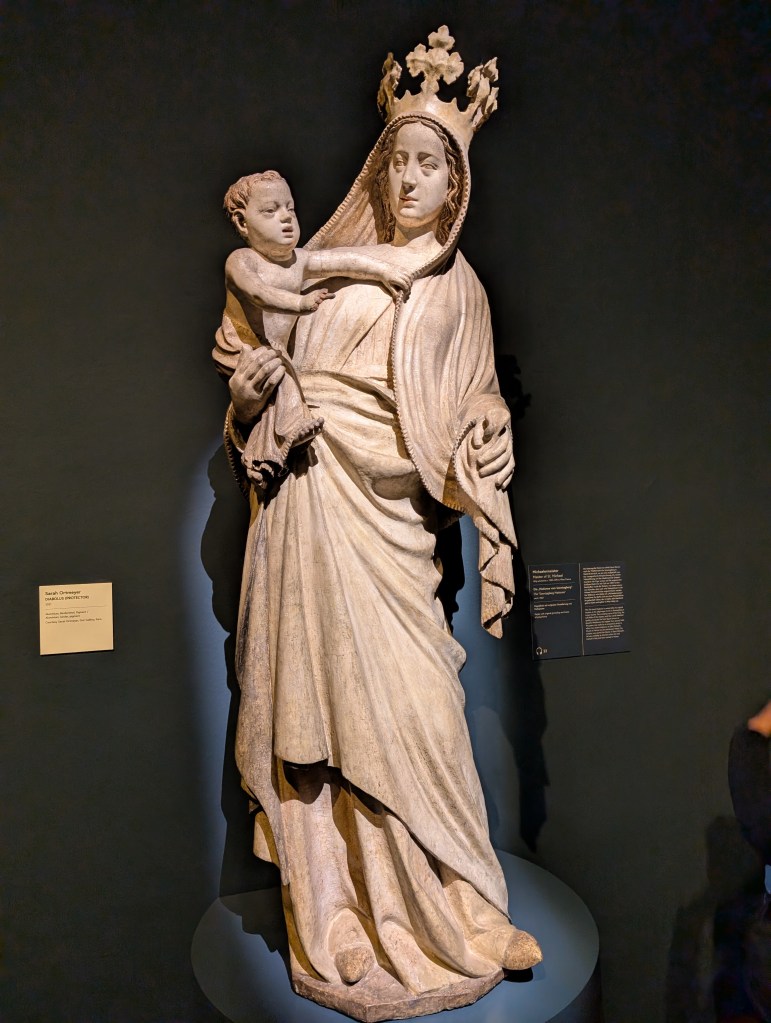
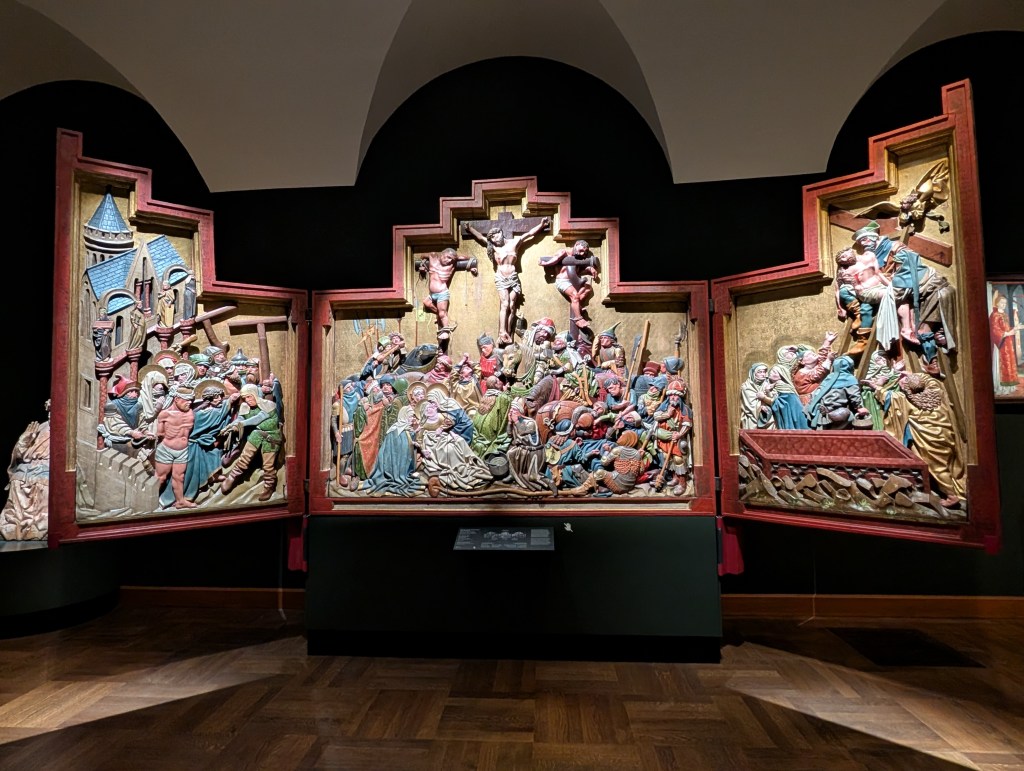
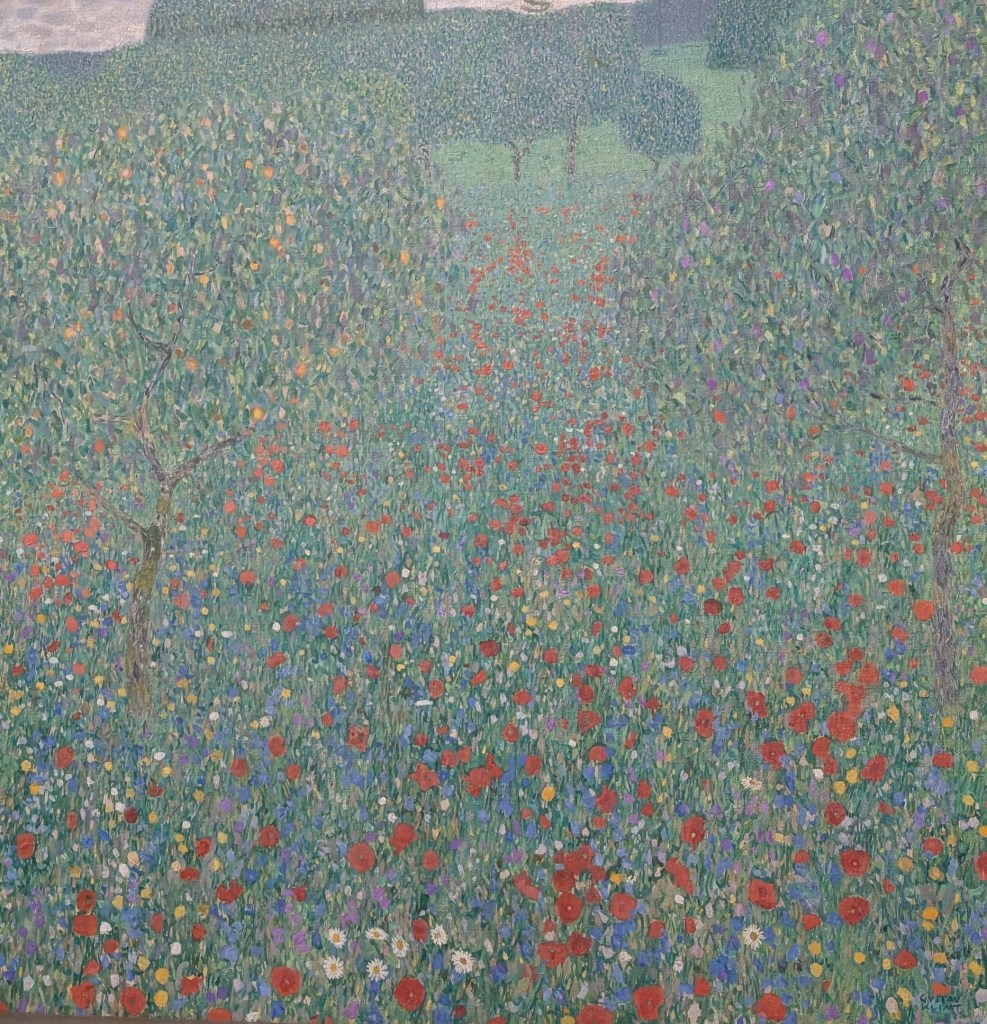
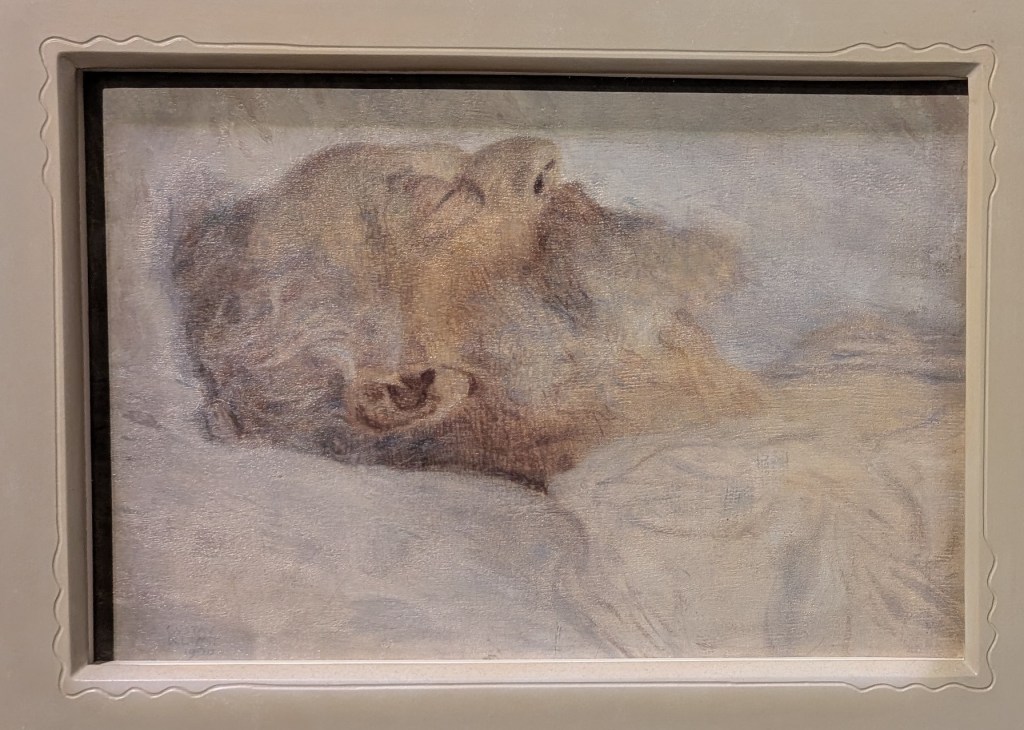
Before I get to Klimt, I have several periods and cultural movements to go through. I am starting with renaissance art, somehow bestowing me with the continuity I so badly needed after a short visit to the cathedral. I am still looking at the sacred, the Mary statues from the fourteenth century, altar doors a century younger, but still from a time when people cared a lot about art promulgating the religious message. As I progress through the halls of the museum, I see the shift happening, the sacred mixing with the profane, the religious browbeating replaced by landschafts, still life, portraits of nobles. It’s around the time when I see Path in Monet’s Garden in Giverny that my heart starts beating faster. I don’t need to convince myself of the superiority of impressionism over the Viennese secession, and since everyone is melting down in front of that one work by Klimt, I have more personal space to savour what I really enjoy. But then, even Klimt can move my heart, just not the Kiss, not this staple of every art guide; I prefer Flowering Poppies (of course!) and Old Man on His Death Bed. I feel more thematically connected to Solitude, by Mediz (as I am experiencing quite a lot of it), or to Lost by Von Stuck (so am I, in the best possible sense of the word.) A sizable portion of the collection is devoted to female artists, something that Gombrich, unlike Katy Hessel, was oblivious to. One of my exes, at least her previous incarnation under the name of Marie-Louise Von Motesiczky, is looking at me with a bit of regret.


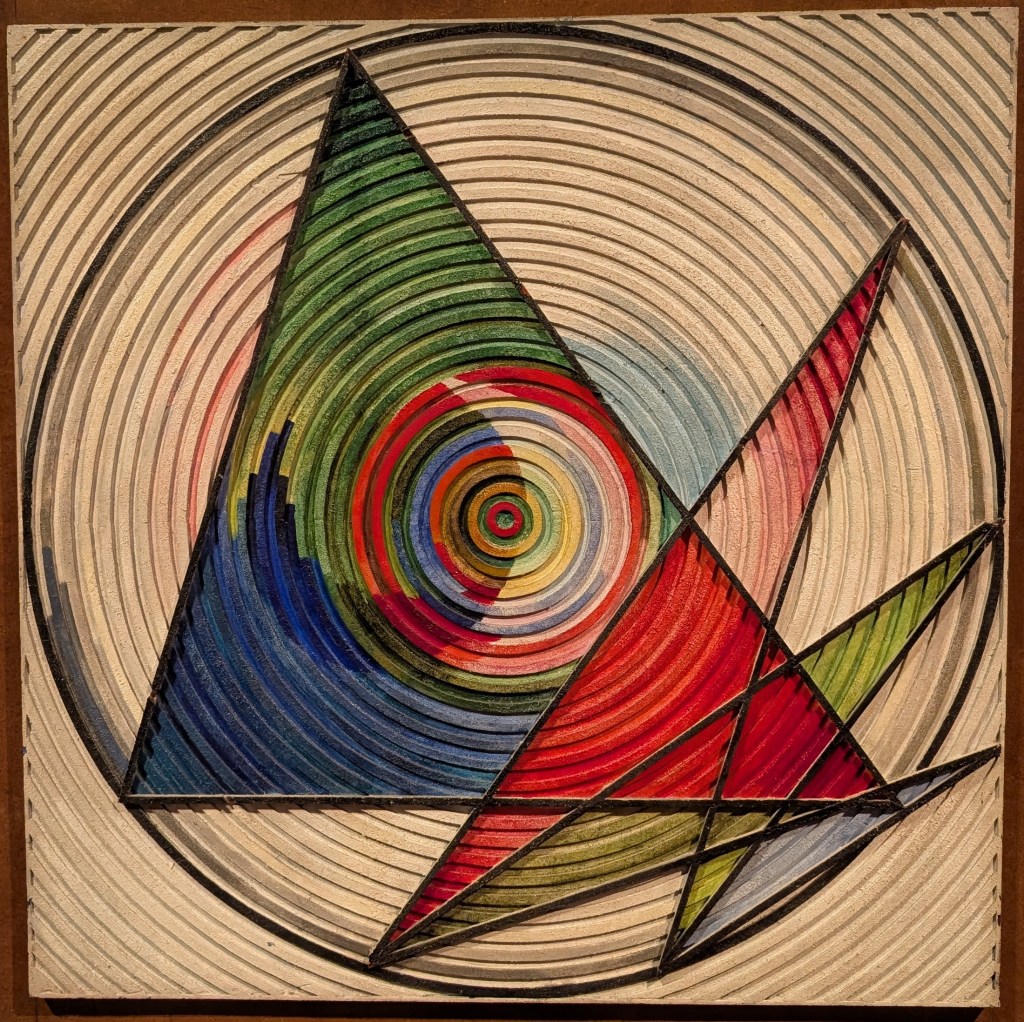
And then some raw emotions flood my mind at the top floor of the Upper Belvedere. That’s where I can let myself go in front of the many exhibits of contemporary art. I never understood the boomer complaints about modern art not being art, just like I always opposed belittling free jazz as the degeneration of bebop. The top floor is where I fly unfettered through geometrical shapes, distortions, contortions, smudges, the Oppenheimer painting depicting the legendary Klingler Quartet. It’s beginning to feel a bit overwhelming, as there is so much to see and experience. I am not in Florence yet, but even a single museum in Vienna can cause a bout of Stendhal syndrome.


The progression through ages, just very sped up, follows me to the next day.
I could forever observe the face of Henk Rogers (played by the spectacular Taron Egerton in the 2023 movie Tetris) when he is presented with a prototype of what will later be known as the Gameboy handheld console. His eyes light up, his lips express a slight yet disarming smirk; he is frugal with words, but such is the actor’s presence on the silver screen that I can almost feel the gears starting to turn in my own head. He’s just seen the future of gaming, maybe not all of it, but a significant portion nonetheless.
I must have had the same look on my face when the Tarnished left the graveyard to experience the panoramic view of Limgrave for the first time. Or later, when I had dealt with Godrick, when I saw a similar, yet more menacing view of Liurnia of the Lakes, past the Stormveil castle. Or that one time when I accidentally teleported to scarlet-rot-covered Caelid, with its oversized crows and dogs loping on two legs and eternally crimson sky. All those moments imprinted in my mind, indelible, they are a clear signal that the phenomenon some people call ‘games as an art form’ is very much real.
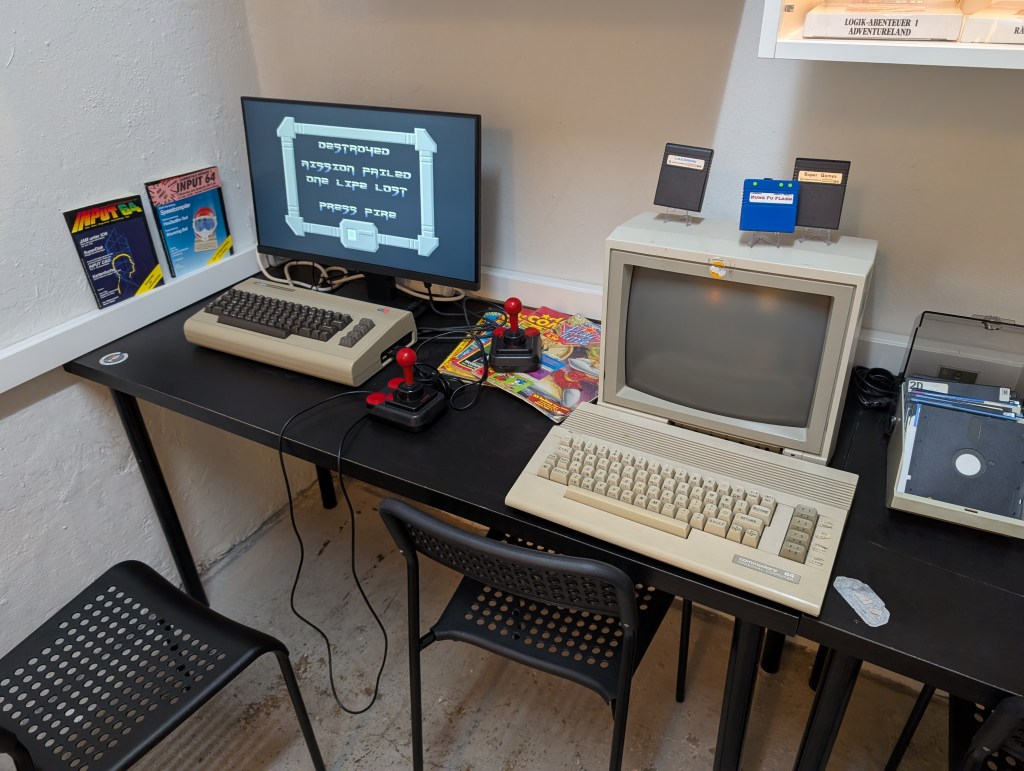
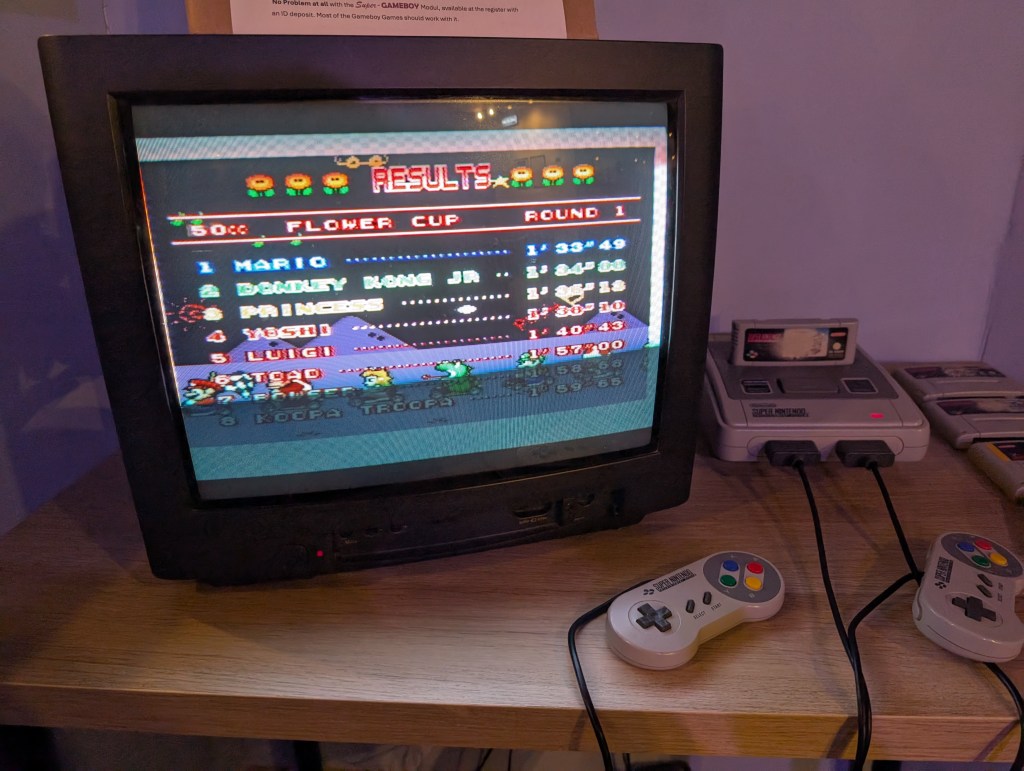
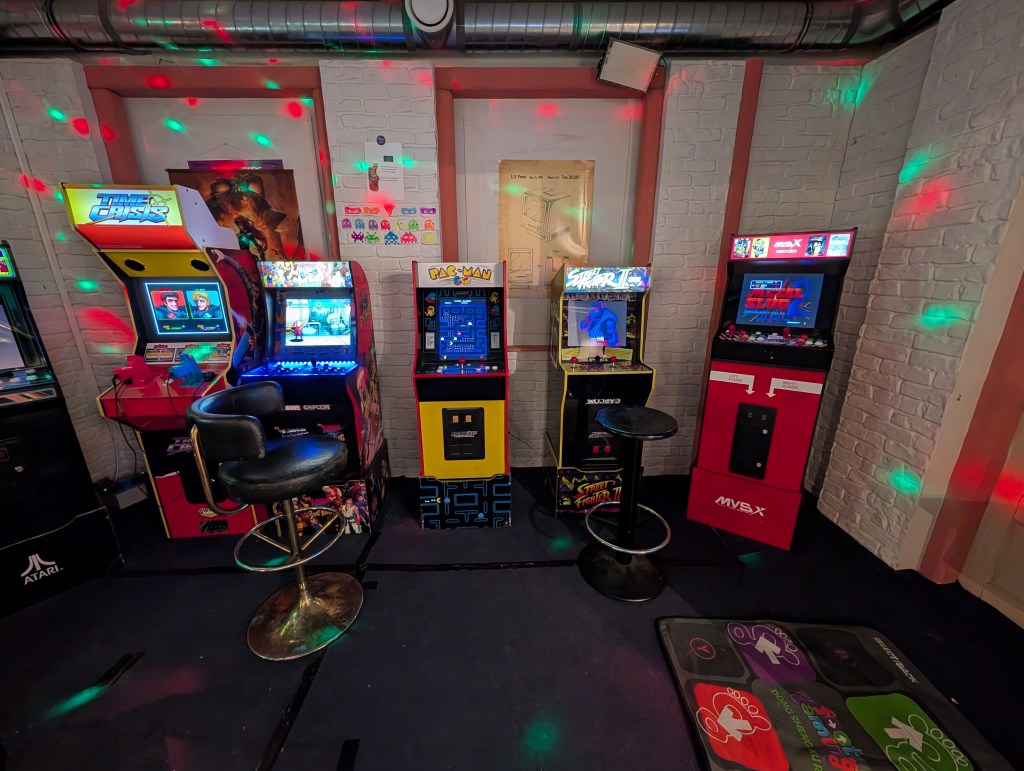
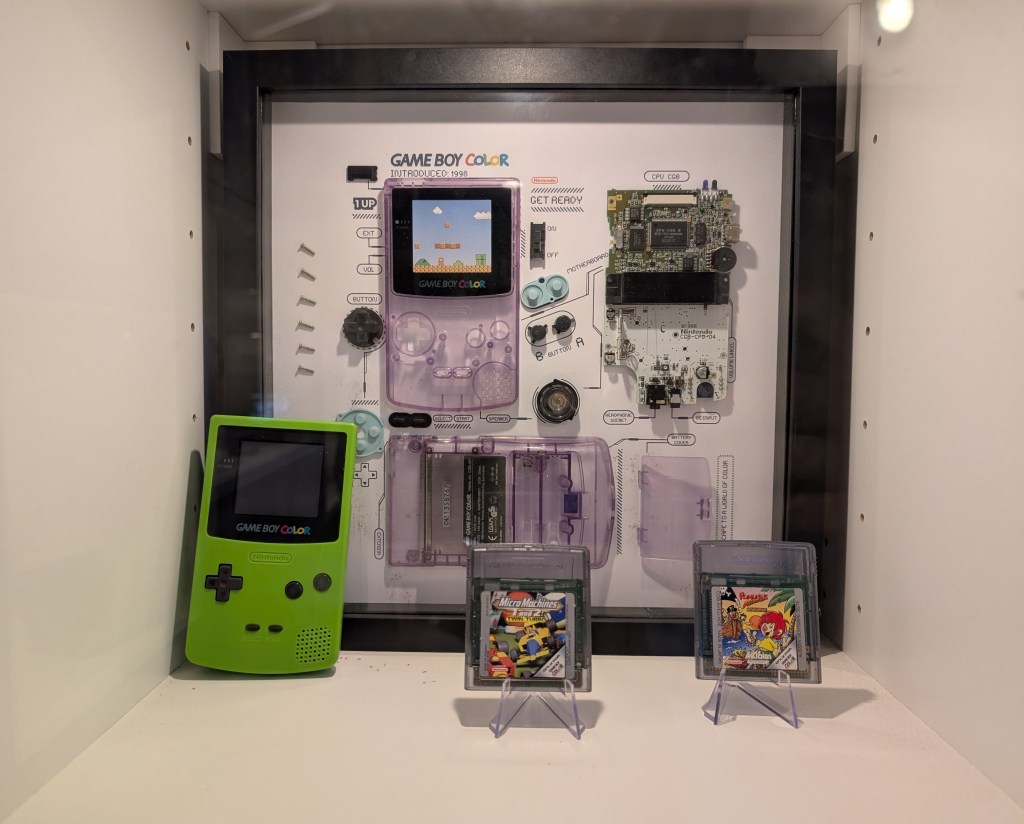
And so I decide to spend the second rainy day in Vienna exploring a museum dedicated to computers and games. A hidden gem located in the Mariahilf district, it is a must-visit place for gaming aficionados and connosseuirs. It takes me from the very beginnings of gaming (Pong, anyone?) through all the hits and misses of the retro console industry, and up to the present day. I start in an almost empty basement, but then I feel I need to keep pushing forward because there is a crowd of youths following my every step. How can I hurry, though? It’s not just that I can immerse myself in the history of games through a rich assortment of exhibits, but I can also play on many of them. What a ride it is, a long sequence of improvements, from the clunky and very unergonomic joysticks and pads of the 70s and 80s, through the haptic feedback, to the current state-of-the-art controllers that are a pleasure to work with. I stop for a long while at the Capcom arcade, hopelessly trying to beat the third round of the tennis game, while the youths catch up to me and observe with blank stares the old guy’s travails. I pause again, and for a much longer time, at the Xbox One exhibit with the controller very similar to the one I have with my Series X. It’s time for a round of Rocket League, my first ever, so it is more like ten rounds until I manage to beat some low-level player. And then I think about all that I’m missing at home, Clair Obscur: Expedition 33, both parts of Kingdom Come Deliverance, a new Doom shooter that is about to be released. T is quite optimistic about it, as he texts me: “It’s going to feel so good after such a long break.” He is right, but I’ve got a really long way home; I’ll never get from under the workload I’ll have next year.


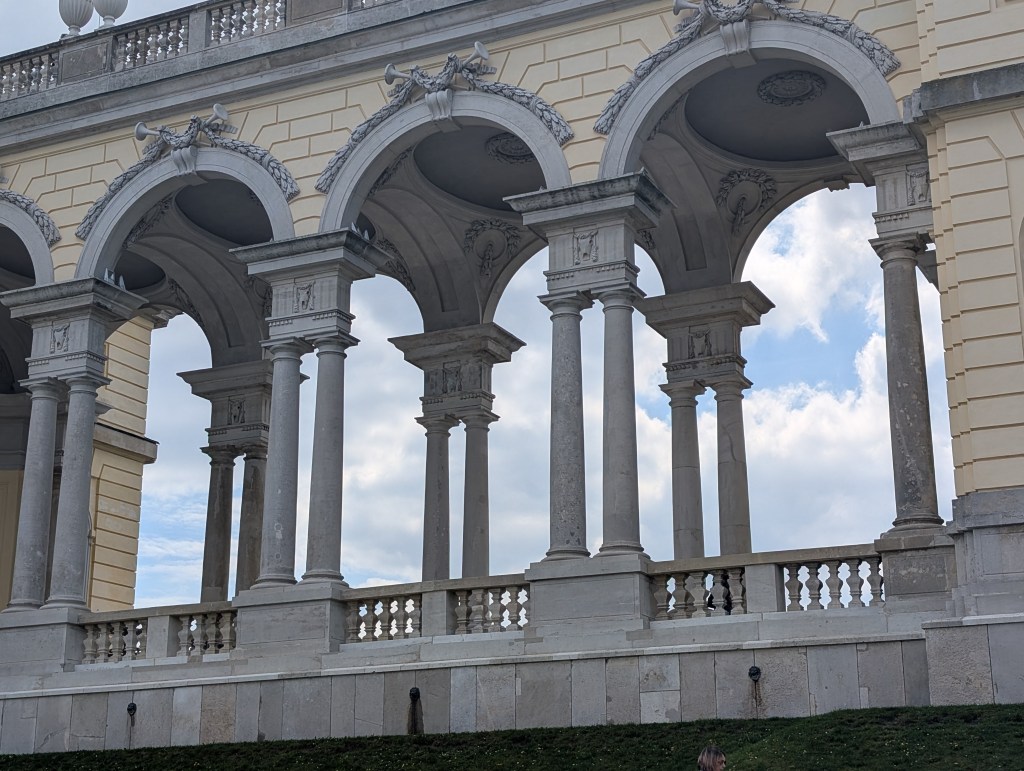

On my last day in Vienna I decide to take it slow, and a walk through the Schonbrunn park is yet another contemplation of the idea of nations. Just around the time when a palatial complex was being tweaked and expanded, at the end of the eighteenth century, the very state that was responsible for this architectural feat was also involved in partitioning my home country. It’s really difficult for me to define and unpack the feelings I have; I appreciate the palace a lot, I am in awe of its architectural grandness. And yet, despite my best intentions, the first thought that enters my mind is this nagging, intrusive idea, almost a certainty, that this grandness must have been achieved at the cost of quite a few of my ancestors. I know that it does not matter anymore, and I have nothing but love towards the people of Austria. But some thoughts appear unexpectedly, or maybe they are not so surprising as they are inevitable. Perhaps we cannot completely detach ourselves from history, perhaps this bridge between yesterday and tomorrow isn’t just material for almanacs, but, through some epigenetic processes, lives and breathes in our bloodstream.
And even history has a sense of humour. Just off the underground station next to the Schonbrunn Palace there is an imbiss, a typical German fast food stall. I am pretty hungry by the time I have left the park, so, for the sake of authenticity, I choose the imbiss instead of a vegetarian restaurant further up the road. In the menu, I notice a familiar name for a beer, Zywiec, I ask about that and the guy at the counter responds in perfect Polish. It turns out they have been here for many years, adding their two cents to the cultural crucible that Vienna has become. A told me that Vienna was, in her opinion, a bit soulless, too monumental, and I can see her point of view. But it’s still a cultural colossus, a mixture of different cultures all converging in the fifth biggest city of Europe, a sight not to be missed. Just don’t put all of your chips on that one Klimt.
 Luke, around the world.
Leave a comment