Banja Luka is the first town I visit on my way across Bosnia, and it’s also the angriest town I have seen so far. In Polish, the expression plesc banialuki means to talk balderdash, but when I leave the bus station I realize the city and its name are no laughing matters. I can’t be certain where this impression is coming from, perhaps it’s the upside-down Russian flag of Republika Srpska (later I will find out that it’s just a variant of the Serbian flag), or maybe it’s a visible drop in quality of building maintenance. Then there is also its history, a medium-sized city full of Serbs forced to be Bosniaks by passport. The Cyrillic alphabet glaring at me from every shop window and street sign confirms that this nation within a nation wants to be someplace else, someplace apart.

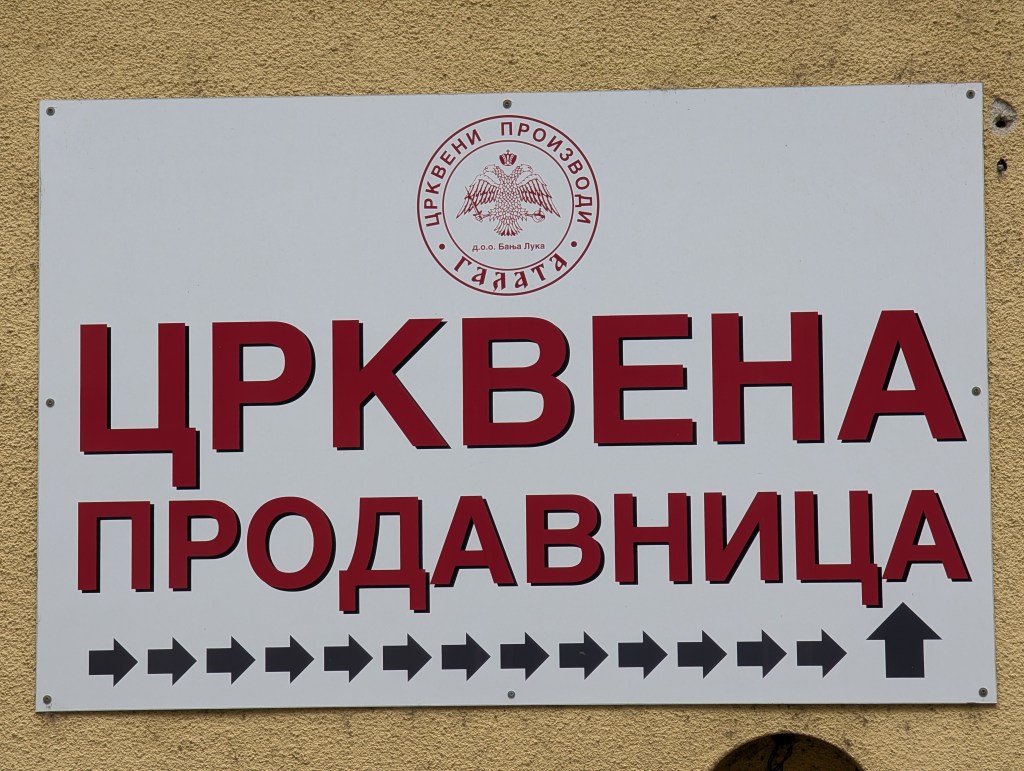
I am eager to see a movie, but before I visit a nearby cinema, I take a walk across the historic centre of the city. There is a wedding ceremony happening in front of the crkva, with a Gypsy brass band blowing with full strength into their shining instruments as they are walking among the small clusters of wedding attendees. It is something genuine, it feels like the first couple of scenes of the series Treme… with a predictably similar ending. Two policemen with their all-powerful smirks shut the band up, and the square in front of the church is now only filled with the buzz of the conversations. Off to the cinema, then!
A cashier at the Cineplex responds in decent English when I ask her about the language of the audio (no dubbing, luckily!) She’s wearing glasses and her hair is the kind of whitened yellow you see on wheat fields in late summer. A couple of hours later, when I return for the movie, she storms through the crowd to inform me about free drinks being distributed to the cinemagoers. I’ve already had one, a bit of the Serbian/Slovenian herb liqueur Gorki List topped with soda and some mint. I am not having another, I can’t have another, I say half-jokingly, and she walks back to the cash register, looking visibly dejected. If her strategy was to get me drunk, she failed. Maybe, just maybe, after the movie… but she’s long gone by then.


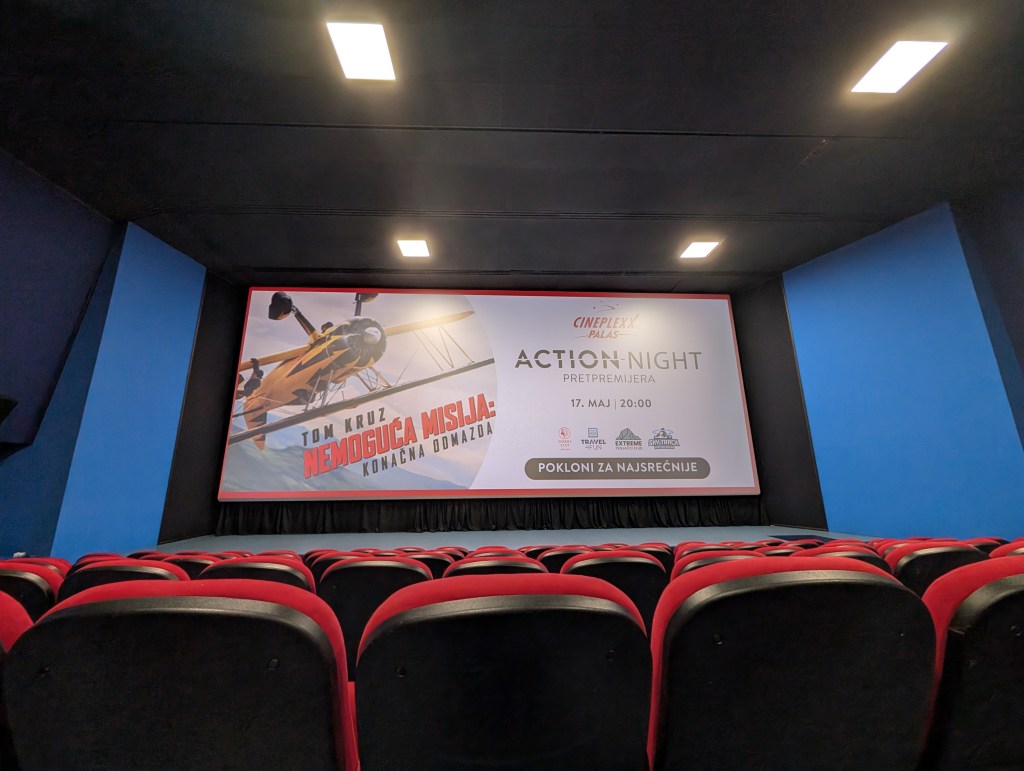
It’s the first available screening of Mission Impossible: the Final Reckoning, something I’ve been really looking forward to. There are some film franchises that you grow up with, and MI is undoubtedly one of them. His questionable choices in religion aside, to see Tom Cruise running and jumping and saving the world once again is a treat. He doesn’t leave with a bang, though. The final installment is way too long and suffers from too much exposure. The action sequences are still genius, and unlike the preposterous finish to the Game of Thrones (still traumatized by that unfortunate incident), the send-off cooked up by the MI creators is decent enough to revisit one day.
Banja Luka, as I find out the next day, is the first in a series of Balkan towns where nationalities and religions mix. Within a walking distance of the place I am staying at I find a Catholic church, a Ukrainian Orthodox temple, a Serb Orthodox cathedral, and a mosque. It’s impossible to enter the former two; the cathedral of Christ the Saviour lets you in for a small fee and has the unmistakable feel of an orthodox temple with its toned-down choir music and colorful icons. It is only in the mosque though that I find a place to contemplate. Some young men enter and, without making a sound, bow in prayer. I wouldn’t dare to join them, yet their simple, repetitive gestures calm me down.
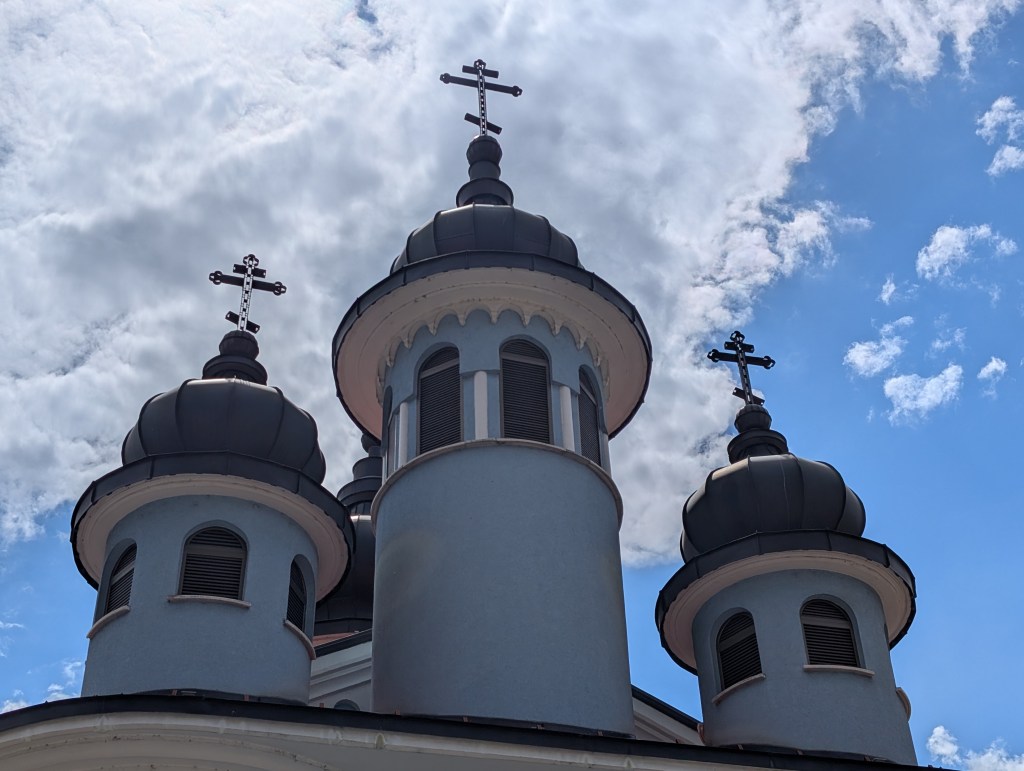

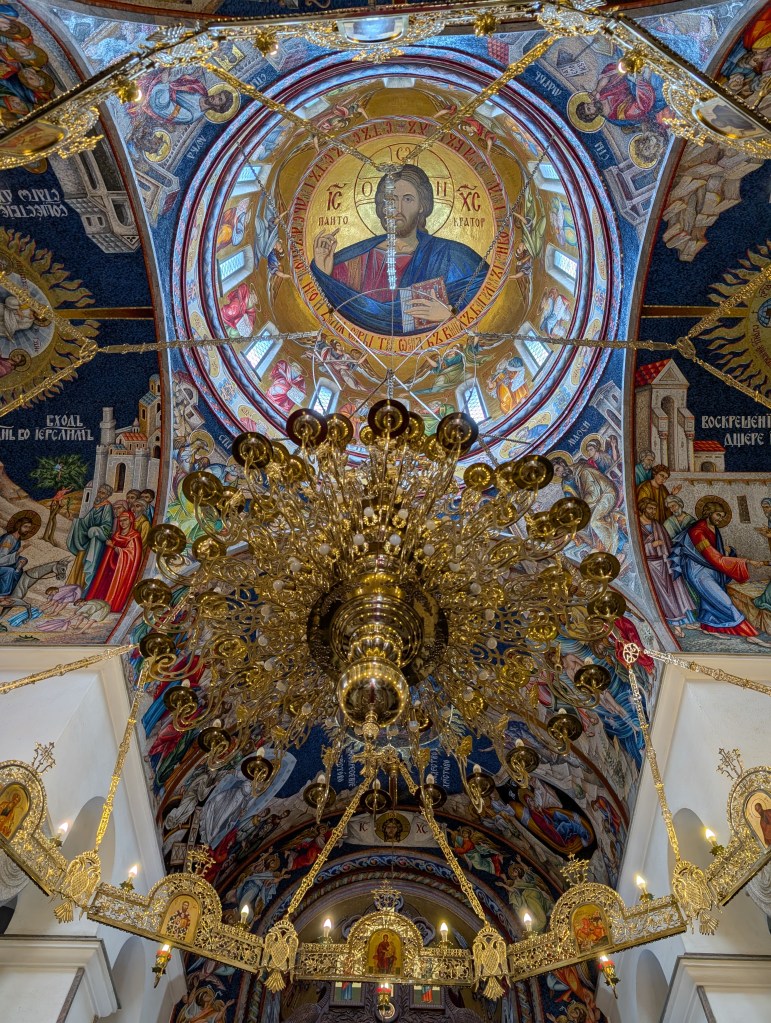

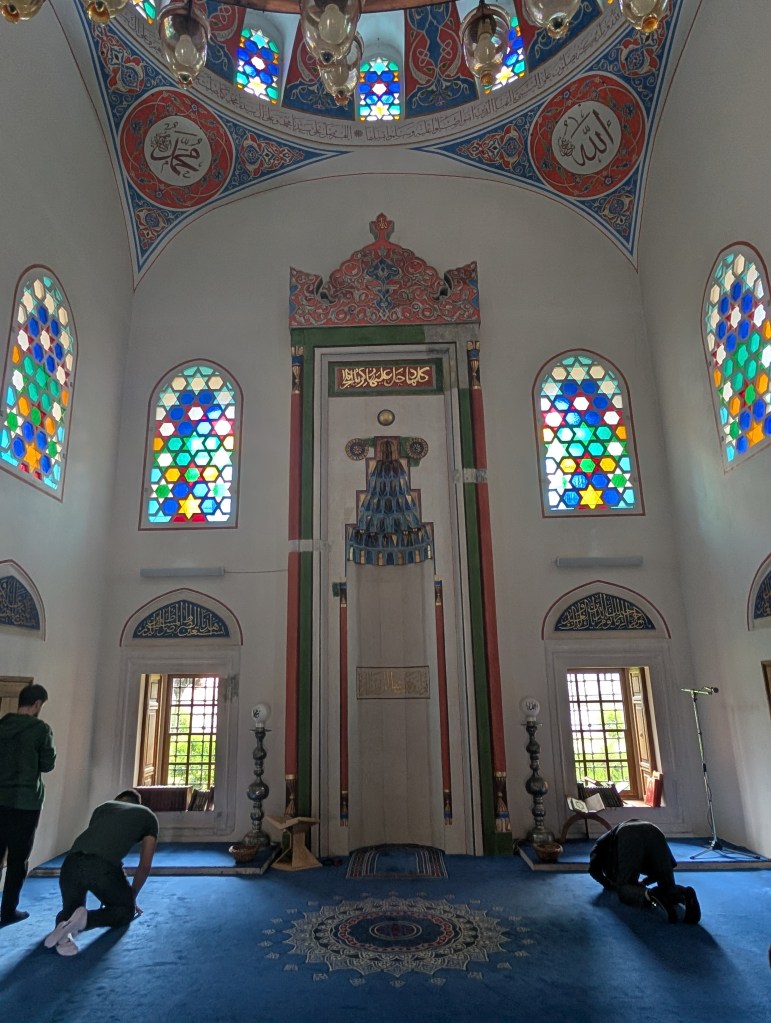
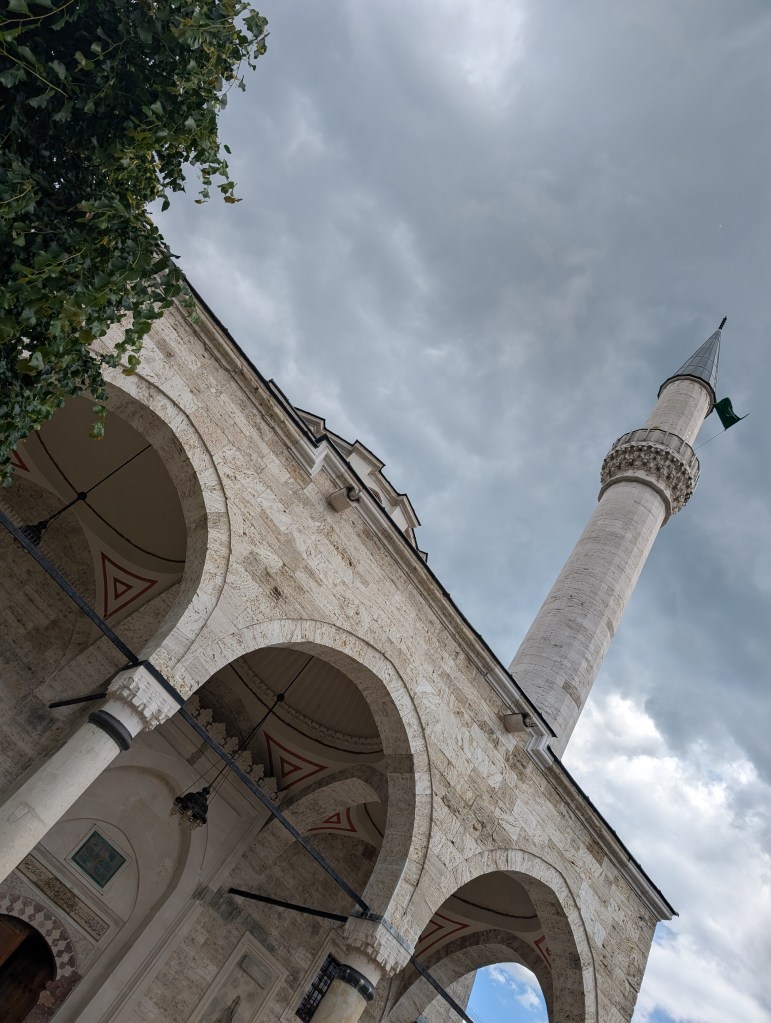

Such a variety of places of religious cult is the reason why we should make a concerted effort in search of Prisca Theologia. Either we are all wrong, or, a better alternative, we are all right, and the barricades we put up to emphasize our otherness from other denominations are as negligible as they are harmful. But this is 2025, another day, another conflict, and any ecumenical effort of the willing few can be successfully sabotaged by a new wave of missiles flying across the Middle East, or a fresh civil war in the Balkans.
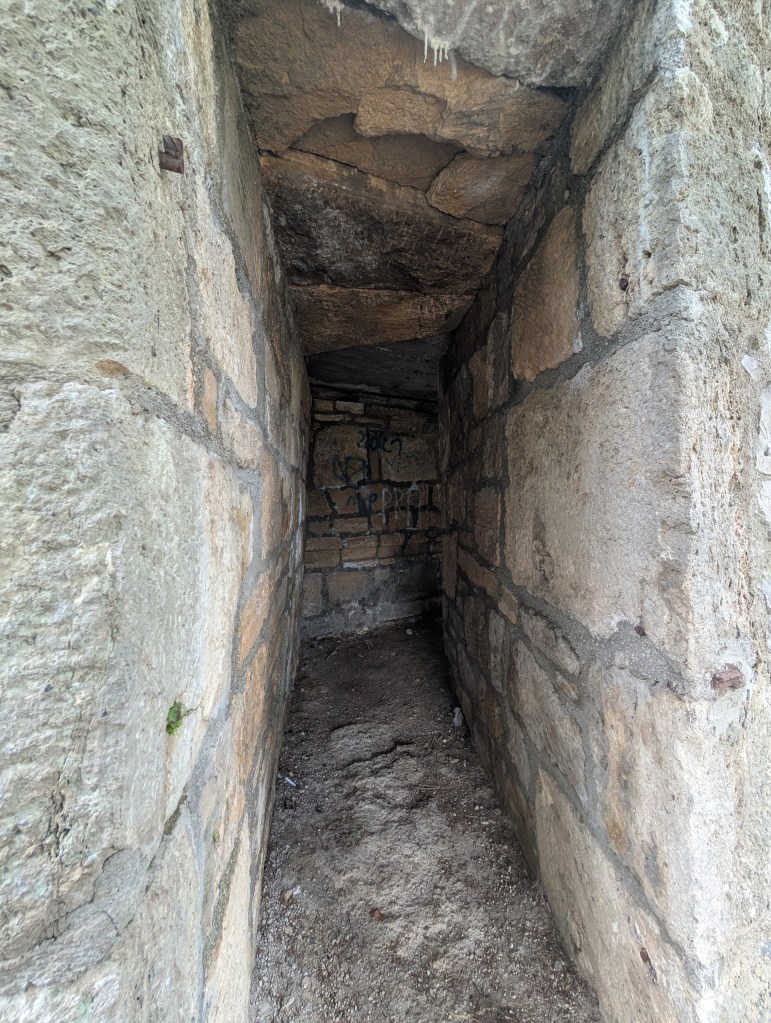
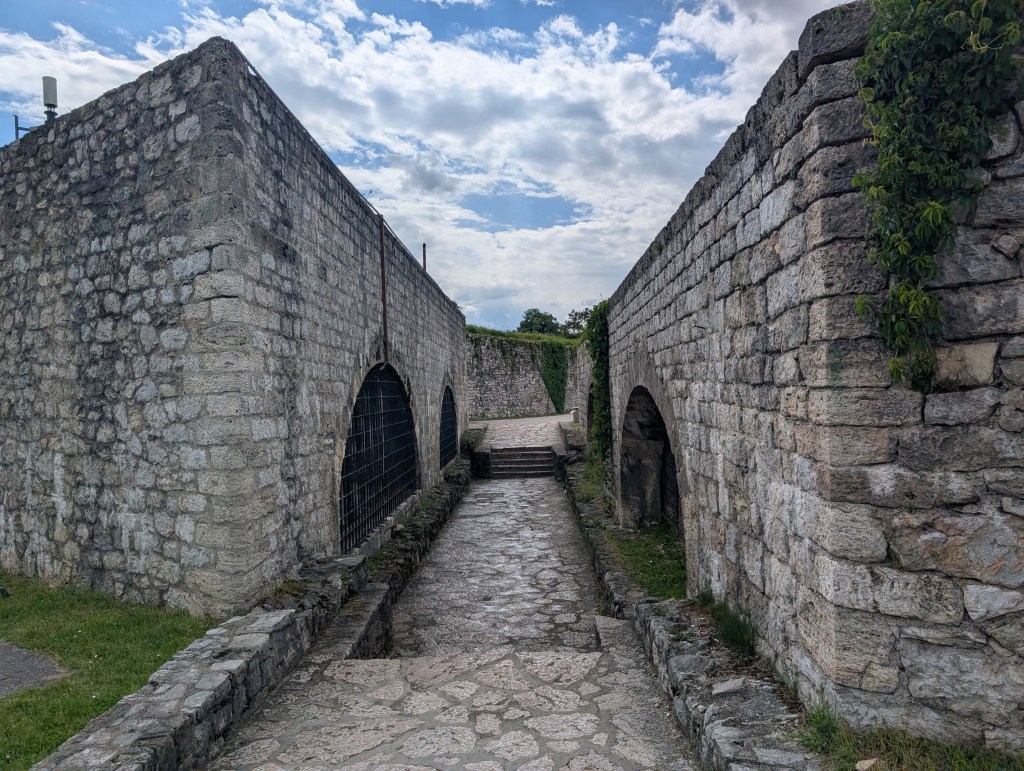
After visiting the mosque, I move towards the old castle. It’s not very well maintained. There is a passage in the ancient walls leading to the outer part of the ruin and inside I experience all kinds of undesirable stimuli: a syringe filled with a little bit of golden brown liquid, its needle missing in action, an empty vaseline tub, the smell of piss, a few graffitis on the walls, it all seems abandoned and decrepit. The restaurant in the castle rampart is fully booked, and I have to walk towards the river to find some alternative. On my way back, the Orthodox God seems to be displeased with me and sends down rain to wash away my sin of one-theology-fits-all smugness.


The next morning, M drives me to the bus station, since Google Maps has failed me completely with regard to Banja Luka’s public transport. In broken English, M explains a little bit of history of the town, the Ottomans, the wars, deftly avoiding the things I’ll only learn about in detail in Sarajevo. Here they are, I think to myself, the proper Balkans. I don’t know it yet, but it will be a bittersweet ride that will fill my heart with joy, second-guessing, occasional howling at the moon. But it will be a ride to remember.
Just take small, careful steps, don’t lose the ground beneath your feet.
 Luke, around the world.
Leave a comment