You look a little bit like Jack Kerouac, is how I strike up a conversation with a guy unwrapping little bottles of rakia and mixing their content with concentrated orange juice.
At closer inspection, any similarity is fleeting: his smile is different, more unhinged, the ears do not fit the size and the shape of the head… but then there’s still the 42-year-old’s strong hairline with one little jet black streak arrogantly dancing on the forehead, there’s his body, unimposing frame with buff arms. Last but not least, there’s his rambling worthy of the best of the beatniks, a story of how he won big in a riverside casino with his father’s stolen money, wire fraud, a felony, shit that gets you in prison for up to twenty five. Even if it’s not true, it’s an impressive tale, but I’ve got no reason not to believe it.
We start playing some cards, just a friendly no-limit Texas hold’em game, two decks that we keep shuffling to increase the pace. Our currency are stale cornflakes retrieved from the pantry – it’s a gentlemanly clash with no money involved. That doesn’t stop JA from accusing me of bending the rules; he doesn’t believe in split pots, he thinks colors should matter, but I can’t be coerced into the on-the-fly rewriting of how poker is played. JA raises his voice, but being a good Irish Catholic boy, he eventually relents and we get back to shuffling and harmless banter.
Some Scandinavian guy joins us, L or J, I can’t remember, he doesn’t gamble and is an observer only. We talk and play and JA is getting more and more drunk. I am starting to think he’s got a separate fridge for his little liquor bottles. I am slowly gaining an edge, and before he gets rivered, trip eights versus jacks full of eights, he introduces me to the wildest conspiracy theories I’ve ever heard. JA is not on any social media except Musk’s X, where he gets his daily dose of tinfoil insanity. Today’s special is Anthony Bourdain getting offed with the connivance of Asia Argento, I am telling you, man, shit ain’t right, it’s all satanic.
Yeah, right, says the Scandinavian guy and quickly changes the topic to bridge jumping in Mostar. He wants to do that the next day, and JA, in his drunken state, is ecstatic and wants to join, too. Soon, they are making plans to take the 4pm train from Sarajevo to Mostar, and I am supposed to go with them as well. JA offers to pay off the bus ticket I already have, but I can always see them at the Mostar train station, no? One thing I hate most in this life is being in someone’s debt.
You know what’s satanic, I tell JA after I win against him fair and square, these stairs are, I am pointing at the steep staircase leading to the attic where my room is located, I am off to fight the roaches, see you tomorrow.
And just as I disappear around the corner, he exclaims that there are no roaches in the building. Bold, coming from a conspiracy theorist like himself.
Oh, how I wish there weren’t any. The first night in Sarajevo, I can hear a worrying plop, as if something fell from the angled attic ceiling. I don’t want to know, but curiosity eventually kills the cat. The sound I have just heard is a plump, brown cockroach crashing against the wooden floor planks and now helplessly trying to get back on its feet. I give it no quarter and, armed with one of my hiking shoes, I smash the little guy to a pulp. White droplets of fat appear around its massacred corpse and I am hoping it was the first and the last one.
Plop, plop, plop.
The receptionist disregards my problems at first. You probably opened a window, and last night I did, but I am not certain that was the root of my insect problems. More of them appear the second night, this time without any windows opened, and I am slowly becoming a professional exterminator. It’s only when I find a bean-shaped egg under the AC unit that it all becomes clear – there must be some way for the roaches to get into the AC and be ejected onto the floor whenever I use air-conditioning. This time, the receptionist takes a vested interest in preventing an infestation, so while I am out, he orders some chemical spraying of the unit. Some weeks later I will find out I shouldn’t have worried so much about cockroaches, it’s the rat infestation that Sarajevo is currently fighting and losing against, and with these rodents’ overpopulation comes an epidemic of leptospirosis.
The morning of my move to Mostar, I cannot find either JA or the Scandinavian guy. I am counting on meeting them at the train station at our destination, but other things will prevent me from doing it.
And what about Sarajevo?
The city is located in central Bosnia and Herzegovina and, despite the administrative chaos in the country, is its de facto capital. While Banja Luka seemed angry, Sarajevo is full of grief, but healing. No wonder, it’s been only thirty years since the end of the longest city siege in modern warfare, eclipsing some similar, better-known events such as the Siege of Leningrad.
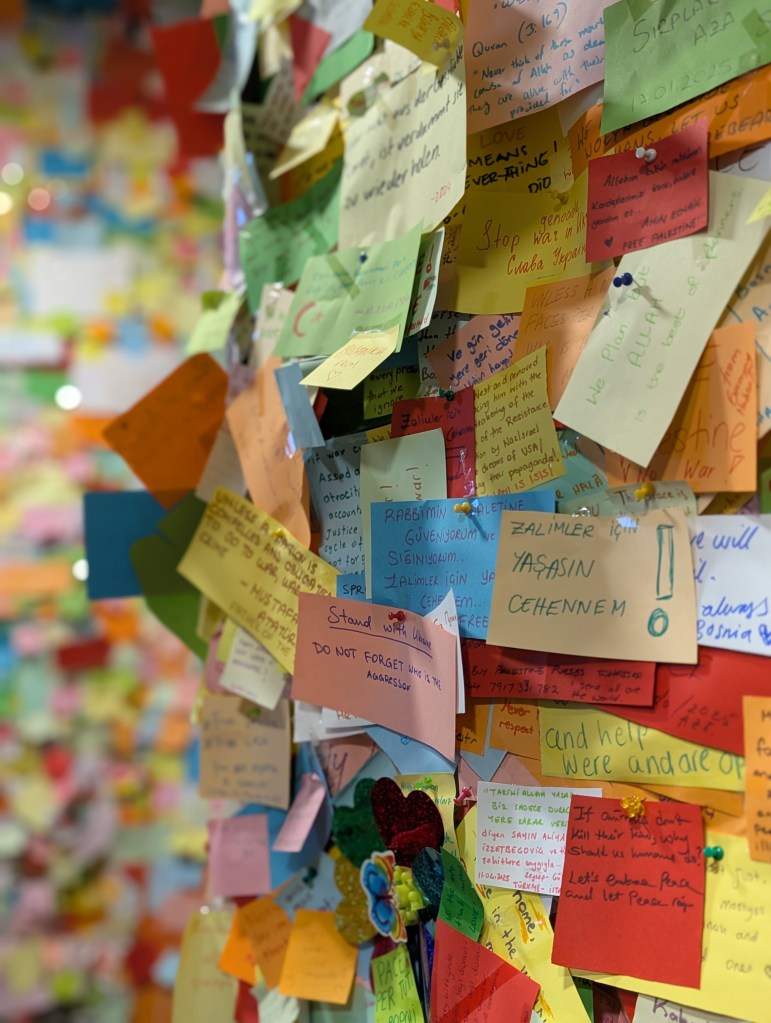
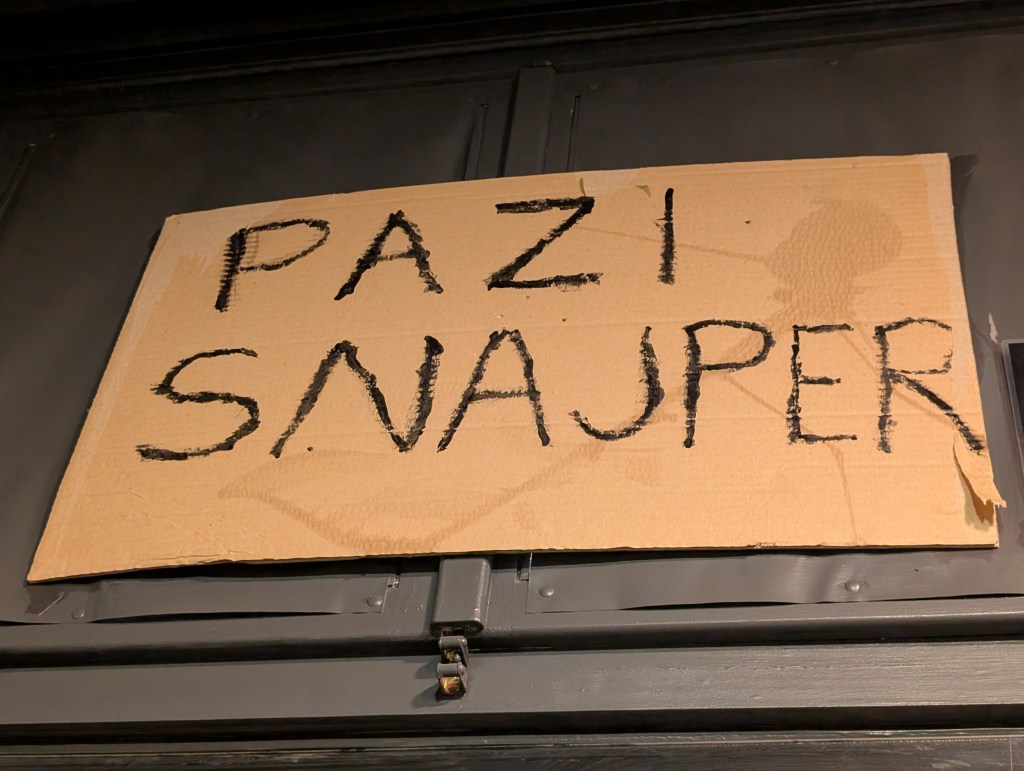
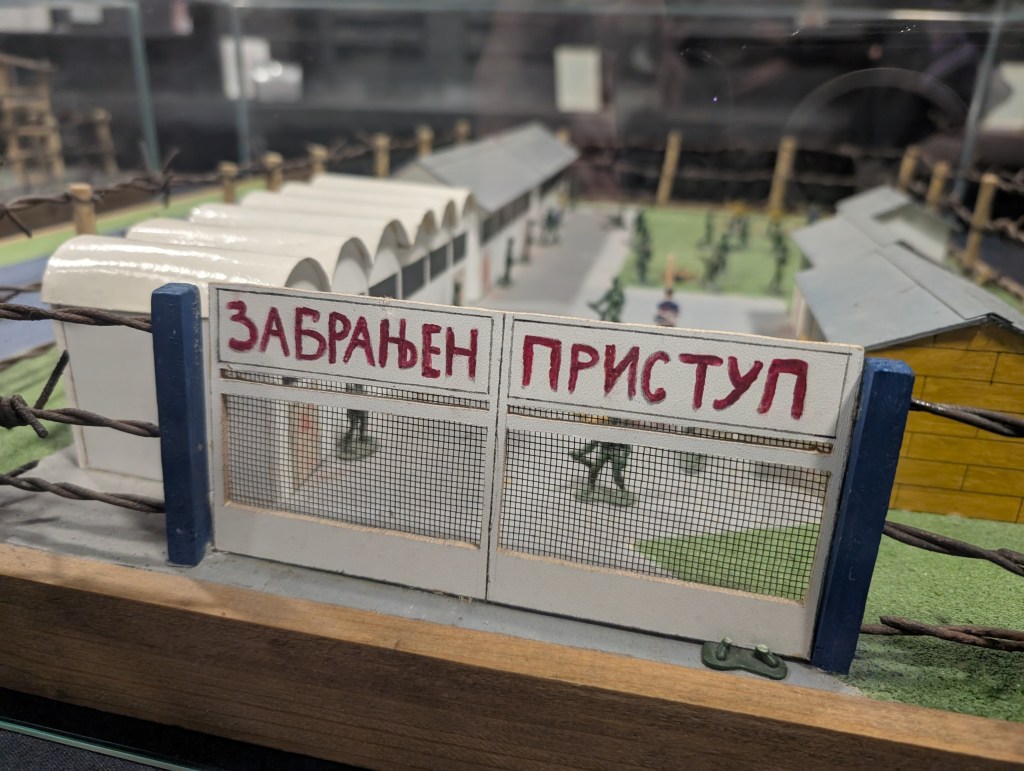

All the museums I visit during my three days in Sarajevo are devoted to the gut-wrenching history of the conflict. The first one, located in the same street as my hostel, deals with the Bosniak genocide during the 1992-1995 war. Many people reduce the topic to the Srebrenica massacre, and while this event was tragic, it was just a tip of the iceberg. A network of concentration camps, an unimaginable atrocity that was not supposed to happen again after the Second World War, was constructed to imprison and purge the Muslim population of the country. The walls are plastered with stories of those who never got out alive, and of those unlikely survivors who became material witnesses to the horrors they were subjected to. Entire families were sent to slaughter, but before the scythe-wielding death embraced them and there was no more pain, they had often gone through torture and rape chambers; another detestable emanation of unbridled nationalism that has nothing to do with patriotic values, and everything to do with hate.
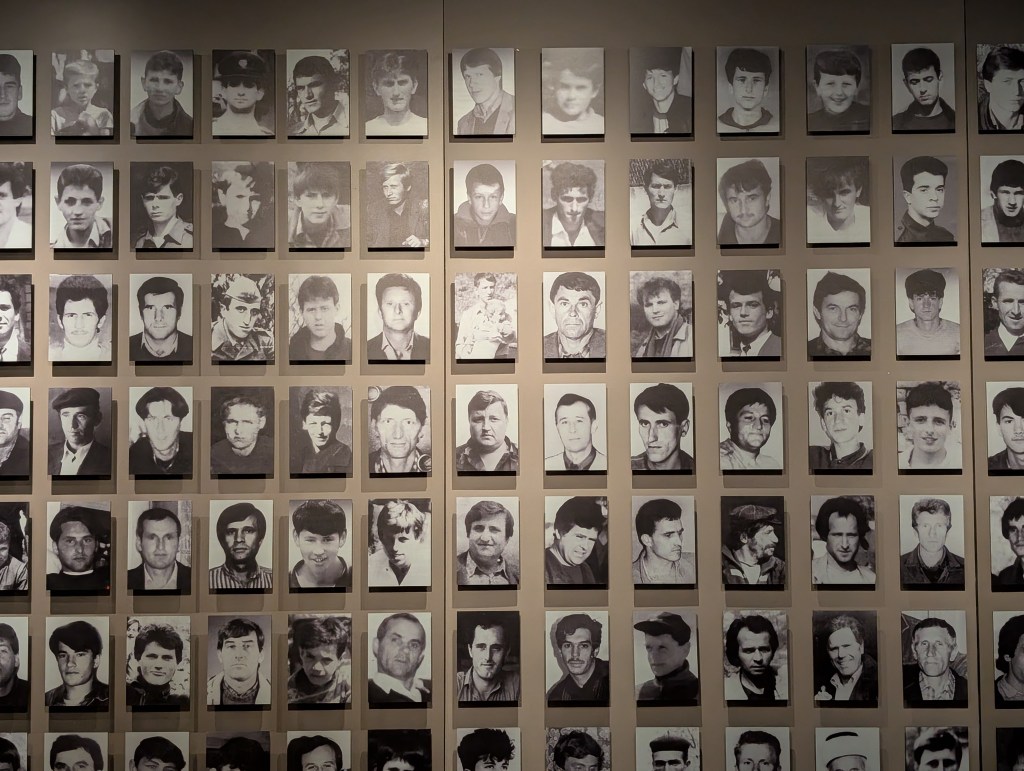


The Srebrenica Memorial has a different, more personal feel to it. Just as you enter, you can see thousands of faces staring at you from the walls, each of them a real photograph of a Srebrenica massacre victim. I spend a little too much time with my headphones on, listening to the event’s hour-by-hour report. A missing piece unexpectedly falls into place. The peacekeeping UN forces didn’t want to escalate, their decision makers mistakenly believed that a peaceful resolution could be achieved, while the Bosniak Serbs pushed on and on, undeterred by the empty threat of having their positions airbombed. The measure of last resort was never used in Srebrenica, at the expense of its eight thousand men, slaughtered in July, 1995; it was only several years later, when faced with a similar conundrum, that the West acted decisively and dropped bombs during the Kosovo conflict. As a kid, I was pretty shocked to see TV reports with the images of Belgrade burning, and I didn’t understand why such a decision could ever be made. Now… it’s all shades of grey.

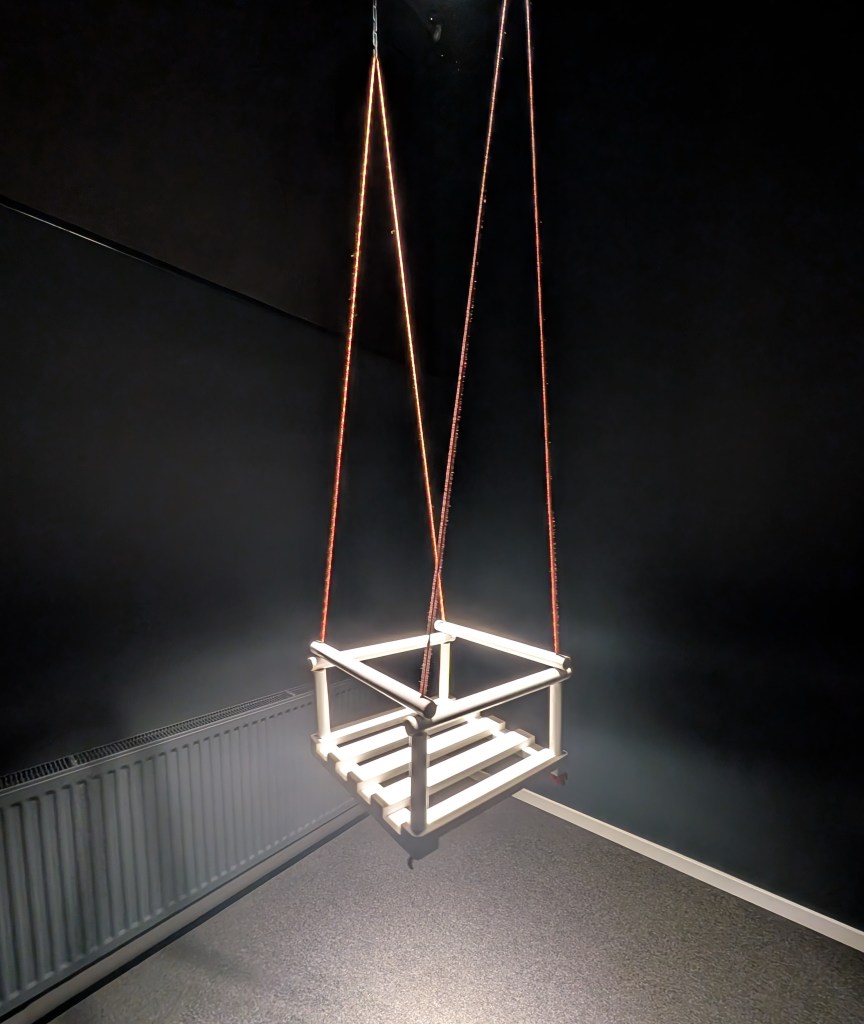
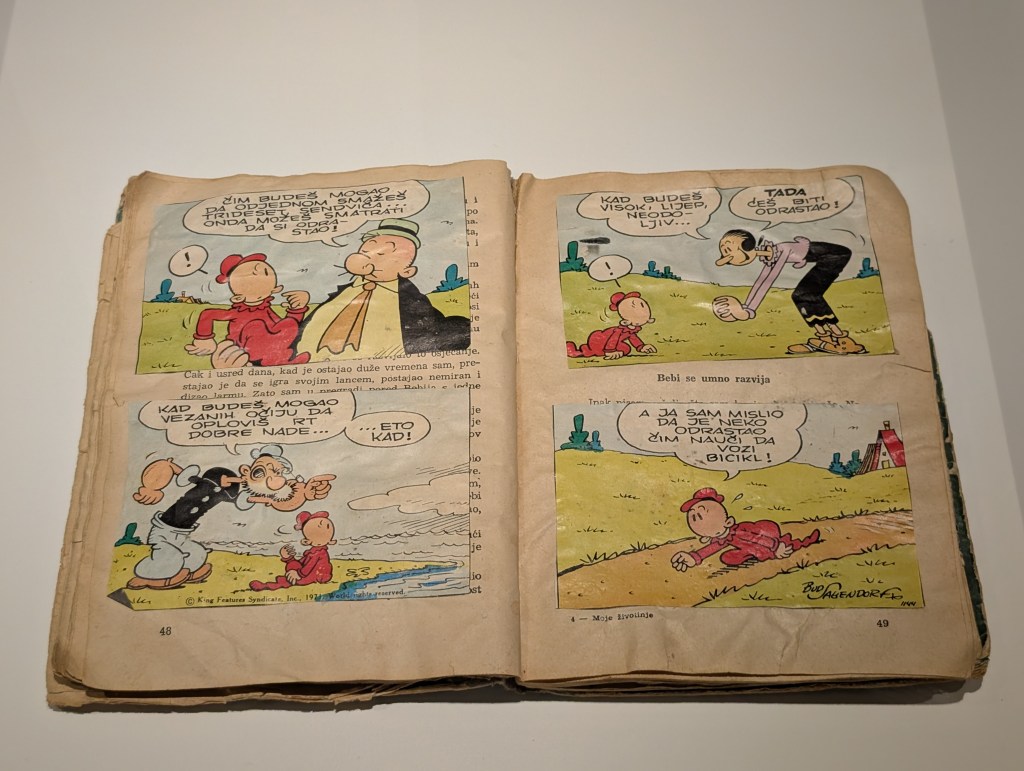
The last museum I visit is the War Childhood museum. Focused on the experiences of children, it is a heartbreaking reminder that the biggest victims of any conflict are usually the small ones, the innocents. My childhood might have been a bit bittersweet, but it cannot be compared to the tragedy of Bosniak kids, all approximately my age, who had to grow up really fast in the face of a conflict raging in their backyards.

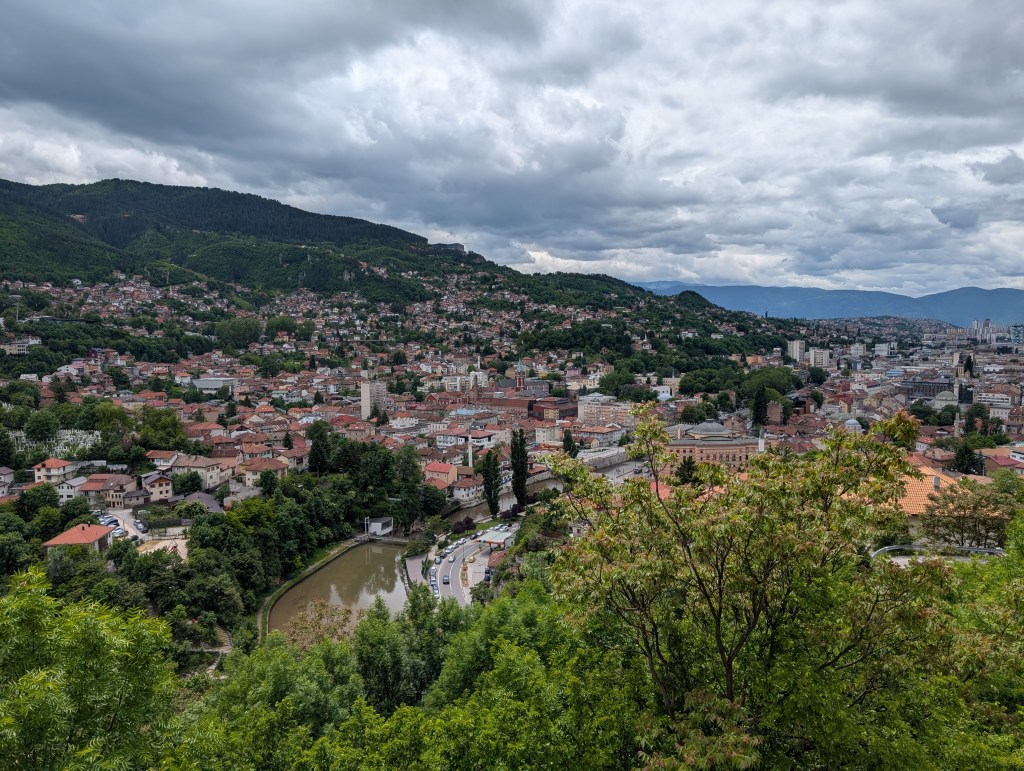
Of course, there are other things that Sarajevo offers. Located in a valley, it can enchant you with excellent views if you are determined enough to walk uphill in the sweltering heat. I am determined, and I am helped a little by the arrival of rainclouds. On my way back, I meet a lady desperately searching for some coins for her old mother’s prescription medicine. She can speak English, and she is most likely a scammer. Giving alms is a good deed, but filtering through a welter of for-profit beggars is a chore. I can’t help her, and I move forward.

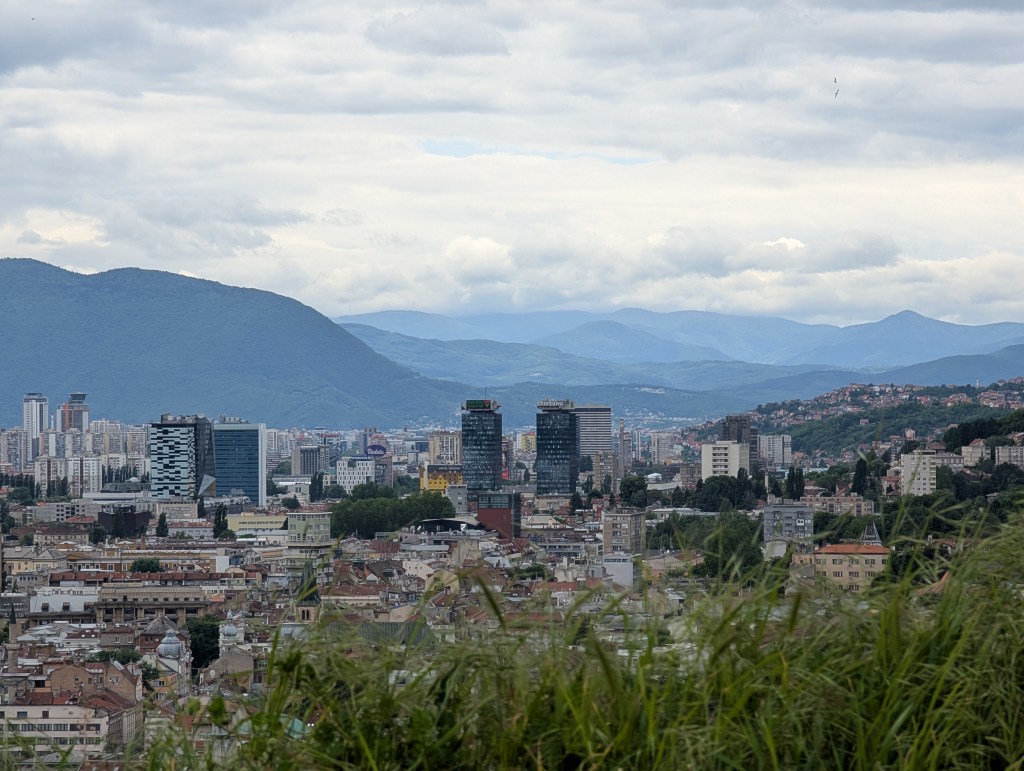
Go the other way, though, and you will end up in the Sniper alley, a major road that was used as a hunting ground by the besieging forces. Silent witnesses to this war crime are still here; the walls of the buildings are riddled with bulletholes. The area is teeming with life, the skyscrapers are probably prime real estate, being so close to important city landmarks. I hear an echo of a rifle shot, and I shudder; it’s only some car’s engine. Nobody but me seems to notice. The war has been over for a long time.


Overwhelmed by the sum of all the tragic stories I saw and heard, I get back to the historic center. Cevabdzinicas at every corner are welcoming me, and I keep coming back to one of them, apparently the best in the city. De gustibus: it might be exceptional, but it’s still a pljeskavica, or a dozen of cevapis, with a side of raw onions and a scoop of kajmak. It gets tiring after a while, and I can’t help thinking about home, with its unlimited amounts of spinach and broccoli, with mangoes and berries accompanying the morning oats, with high fiber no-palm-oil Italian biscuits… Here, a sopska salata is the best one can hope for, plain tomatoes and cucumbers diced and mixed together, topped generously with grated cheese.

It will be a while before I can get back to my life-prolonging diet again. For now, let me just enjoy the fat dripping from the corners of my mouth. Cholesterol, what in the name of God is that?
 Luke, around the world.
Leave a comment