There is a group of people sitting under the umbrellas and erupting with laughter at least once every five minutes. Who are they? A bunch of random travellers who just happened to be at the same place, at the same time? An exclusive clique who will react to my arrival with disdain? Are they smashed, high, or just jolly? Where do I pay the entrance fee?
I rarely mind meeting individuals, because I have some control to steer the conversation in a desirable direction. But joining this roaring company as a slightly sociophobic low-talker feels crazy, almost beyond my reach. And yet this journey is supposed to be formative, a golden opportunity to change and fix those elements of my personality I’m not satisfied with. With slight hesitation, in I go.
No toll to be paid, after all. I get a somewhat uncomfortable seat near the head of the table, someone puts a jug of wine in front of me, and later on the owner of the hostel brings some sour plums picked straight from the trees lining the hostel’s fence. Instead of a mandatory where are you from? I get asked what I ate for lunch. A case of munchies?
Ah, just some oat cookies and kefir…
The girls sitting on the opposite side of the table raise their heads, like I’ve just uttered a word that brought them back from a deeply hypnotic state…
Kaffir? not so much the guy on my right, whose eyes narrow dangerously fast, and I praise myself for spending so much time in books, yeah I know what kaffir is, and I am not trying to derail this conversation with (misheard) vile racist slurs.
Where are you from? Now we are getting somewhere, a basic question worthy of a disgruntled traveller who is repeating the script ad infinitum, coincidentally a question I can easily answer. Poland, and the girls almost go through a round of applause. I knew it, says the plus-sized one, there are only a few countries that show so much reverence to kefir. She’s Polish, too, and so is her thin companion; with my arrival, the Poles get the table majority. The guy on my right relaxes as he’s given a crash course on our national tendency to drink copious amounts of kefir. A is a British artist who cruises the world to, without a hint of irony, put a smile on the faces of the poor and the downtrodden.
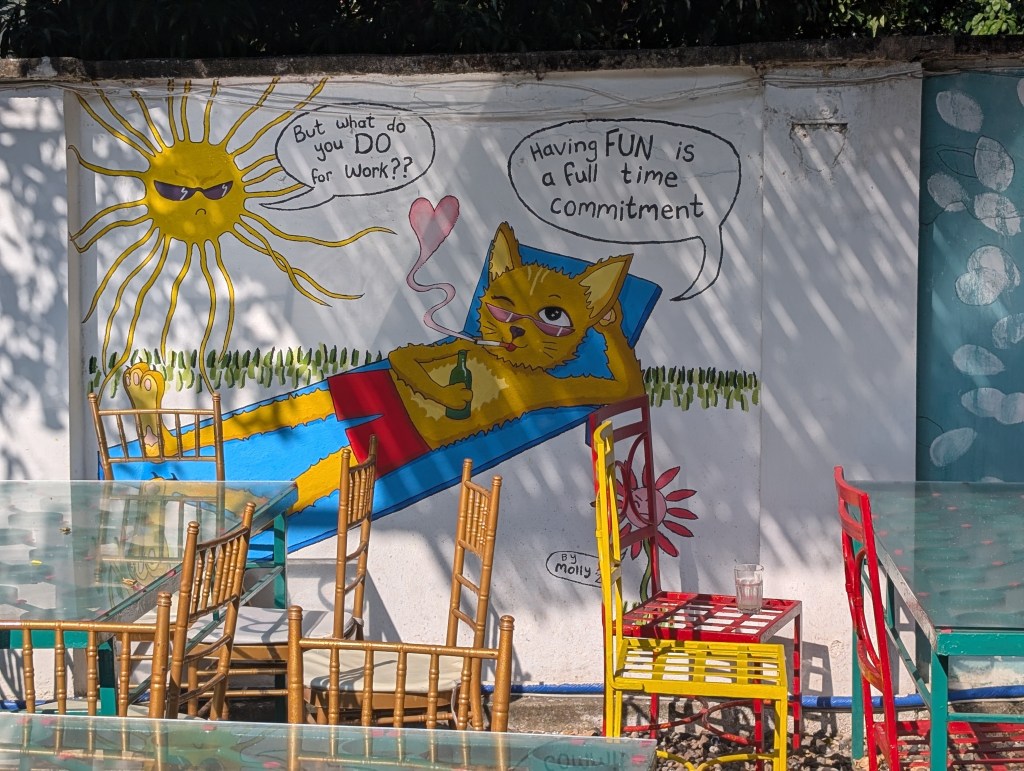
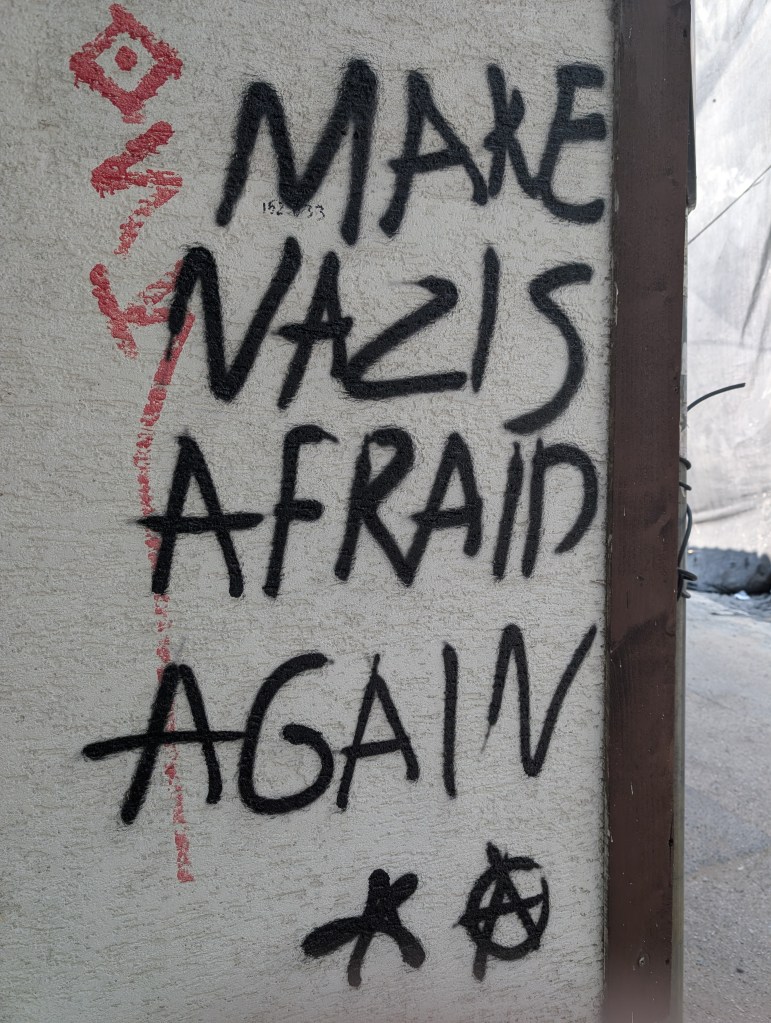
Yeah, I was given a grant by the British government to paint parts of the New Delhi slums. He also does body painting, and often returns the favor of free accommodation by painting hostels in- and outside. The thin Polish girl is infatuated with him, a healthy summer romance that will probably end as soon as she has to leave for Greece, her next destination.
There is also an Australian guy who is currently doing the same thing as me, he’s just at a different stage, more advanced, more experienced, certain that whatever he’s been through, it’s his. I’m still in my infant stage, but taking big steps to leave the continent and soon start my Asiatic part of the journey. He is dealing out travelling tips like some genius card sharp, when you get to Bolivia, when you get to Argentina, he’s in love with South America, just like A is in love with India, well-travelled sly dogs, both of them.
I spend most of my time in Tirana at that table. A few nights later, some British girl joins me and A, the mosquitoes are biting us relentlessly, we are trying to operate the beer tap that only produces foam, and the lady whose name I don’t know reminds me of M, and our tempestuous relationship that was finished as soon as I tried to do the right thing and not allow either of us to become rebounds to each other. I wonder where she is right now; seeing her doppelganger conversing with A is fitting. M is an artist, too, I even served as a temporary model for her and a bunch of her painting friends, back in 2011 or thereabouts. But none of that matters anymore, she’s gone, I’m gone, and looking at the plump face of the British girl makes me squirm. Yes, she’s pretty, but she unknowingly activates that thorn in my side with her cold stare and a blonde mess of hair. Even the tone of her voice is somehow similar.
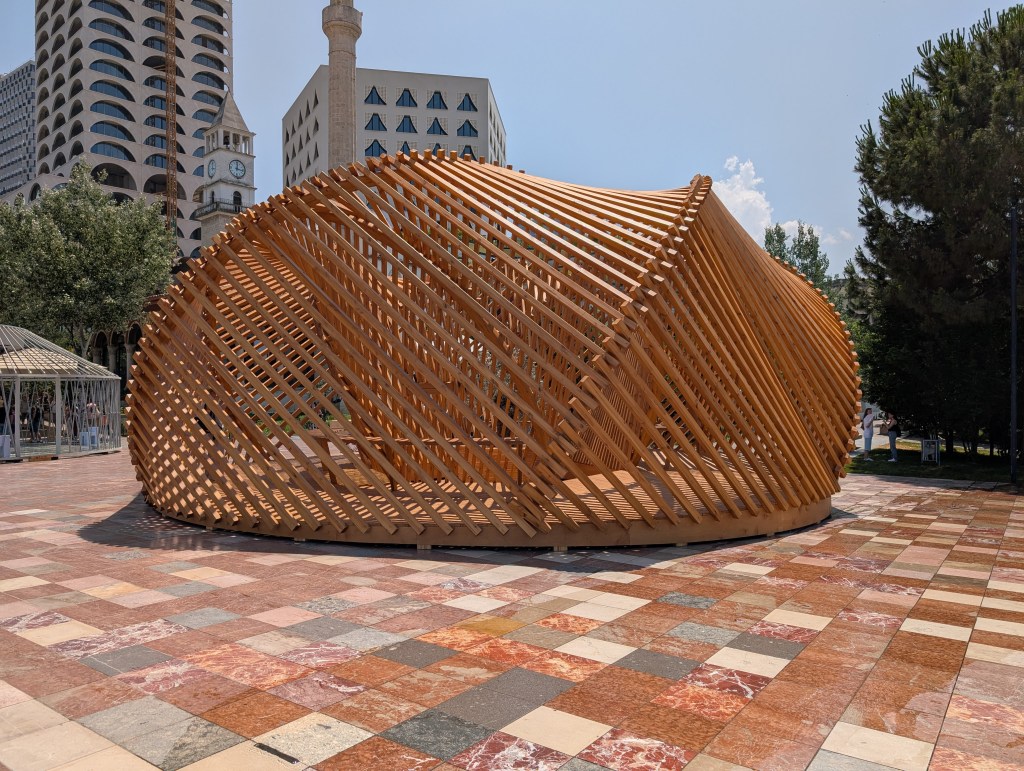
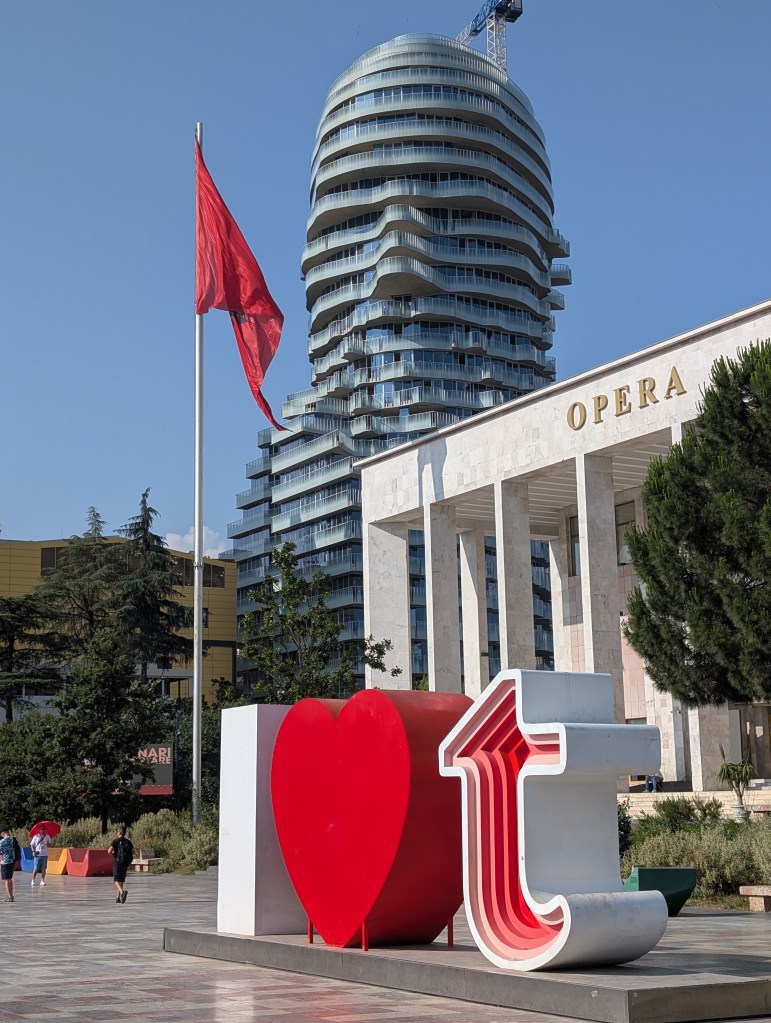
I sometimes leave the hostel grounds, though. One of those times is to reunite with D. This time, we spend a while drinking our beverages of choice (him, beers, me, tiny bottles of wine and later a beer that D gifts to me). Our second meeting is different; no nature, no physical exertion, just a relaxed sit-down, talking about girls and boys and life and uncertainty about the future. I am going to miss him. Sure, there are countless other people to meet on my journey, but sometimes you just hit the sweet spot, and it’s the immense feeling of comfort in someone else’s presence that you know you will keep missing.
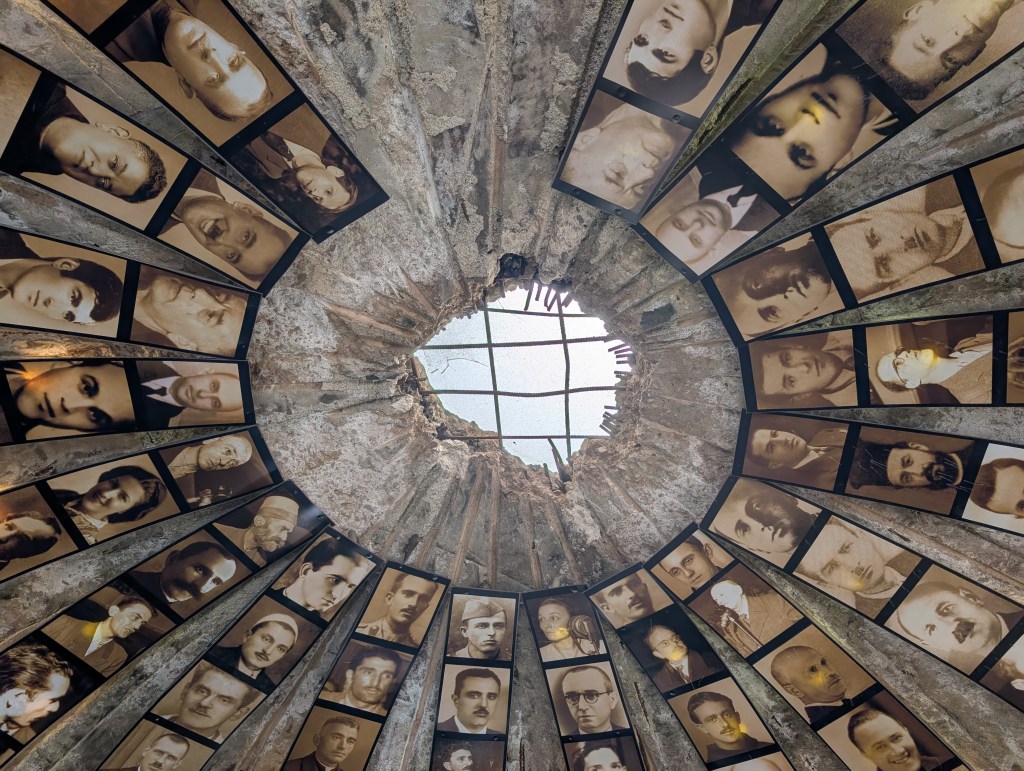
The other time I leave the hostel is to understand the Albanian flavor of communism. Enver Hoxha was a petty tyrant, and his version of communism was seemingly more despotic than whatever my parents and grandparents went through in Poland. Albania is a country of bunkers, built predominantly during Hoxha’s rule, and some of those bunkers were turned into museums.
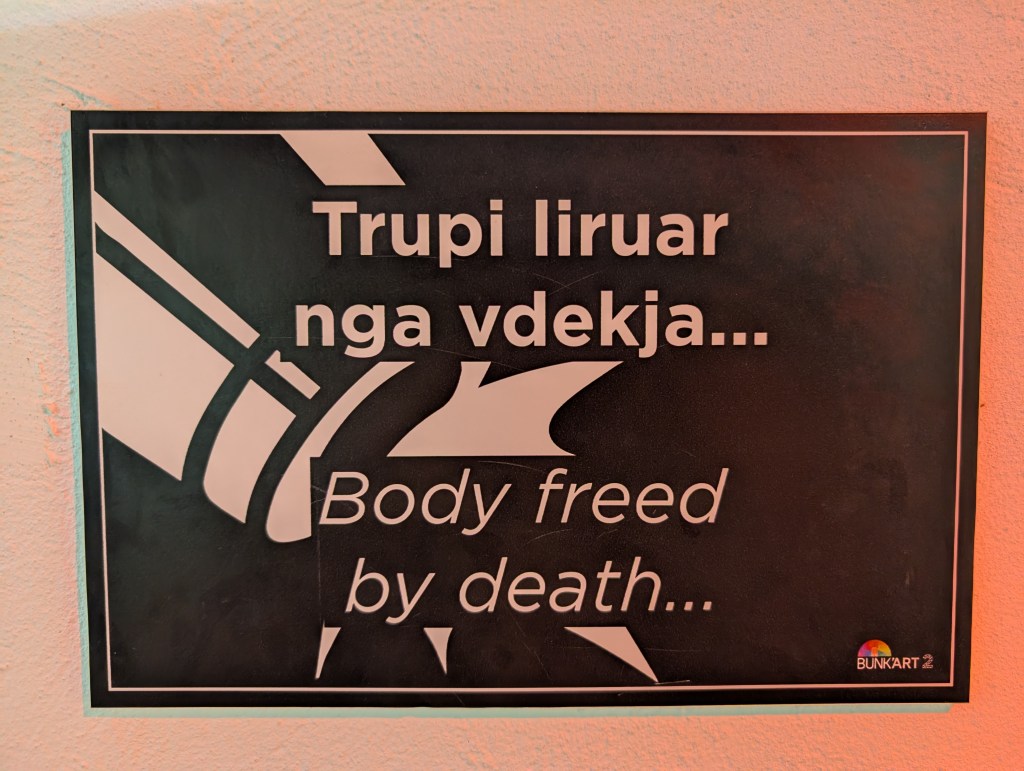
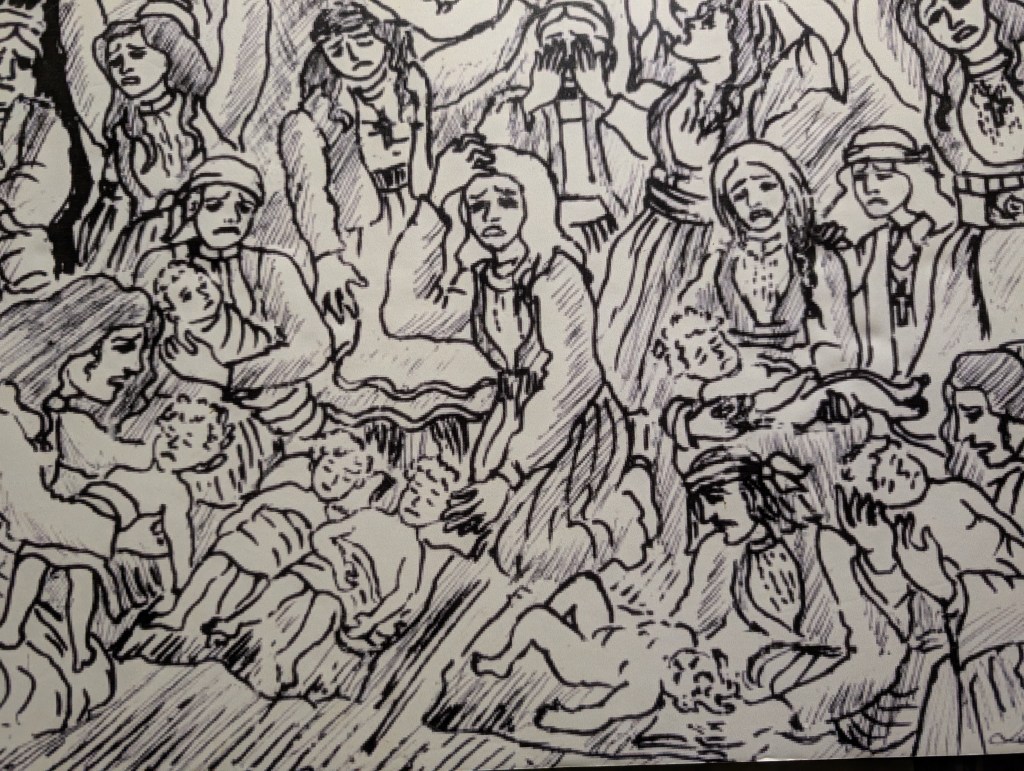
Heading down into one of them, I feel like going through a cold shower. Us Poles know many stories about people being beaten within an inch of their lives, disappearing, being assassinated for belonging to the opposition. However, life went on, not without traumas, not without pain, but there was still an unbreakable sense of community, there were plenty of opportunities to laugh, to contemplate, the church was allowed to operate (with restrictions, but still).
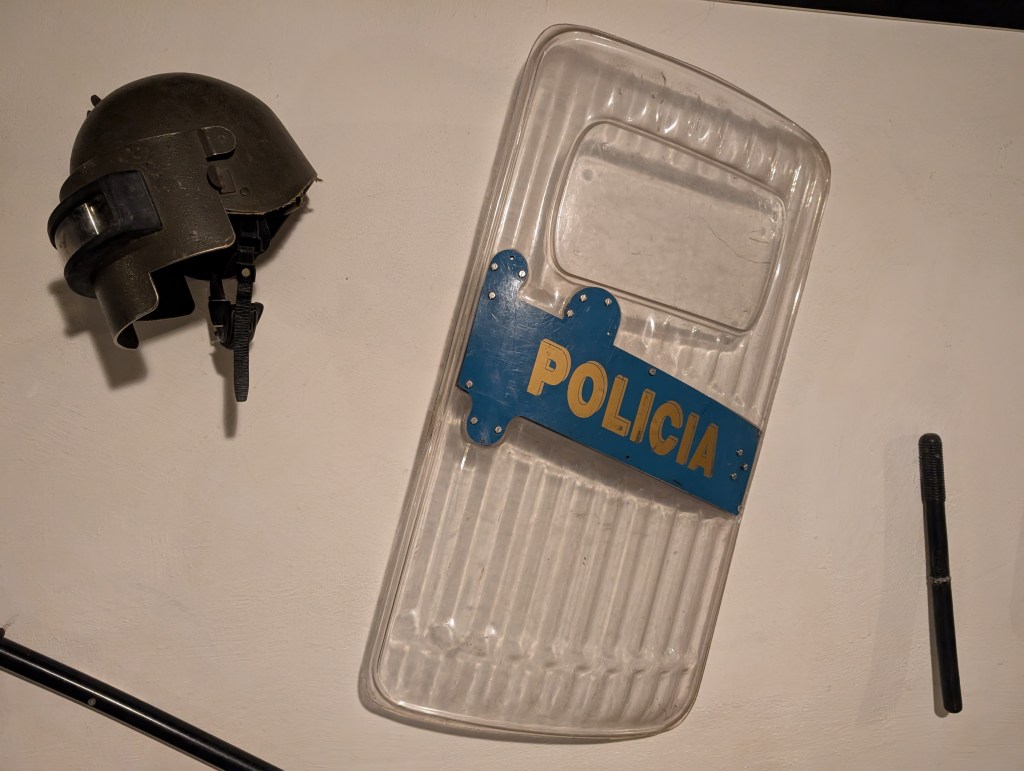
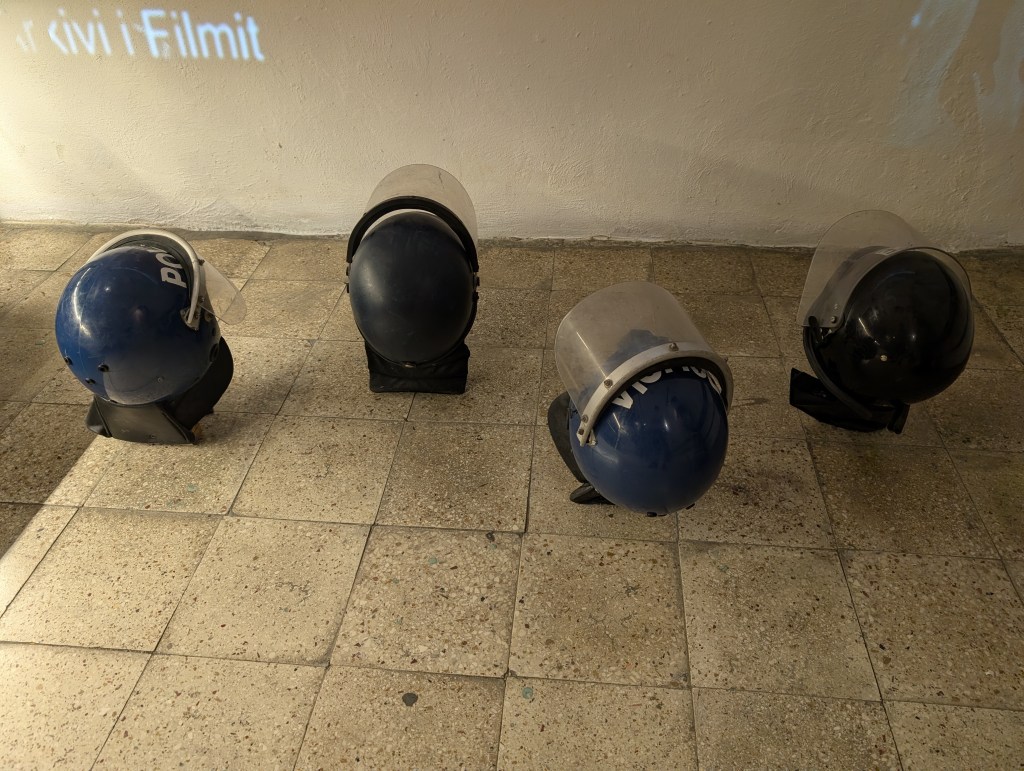
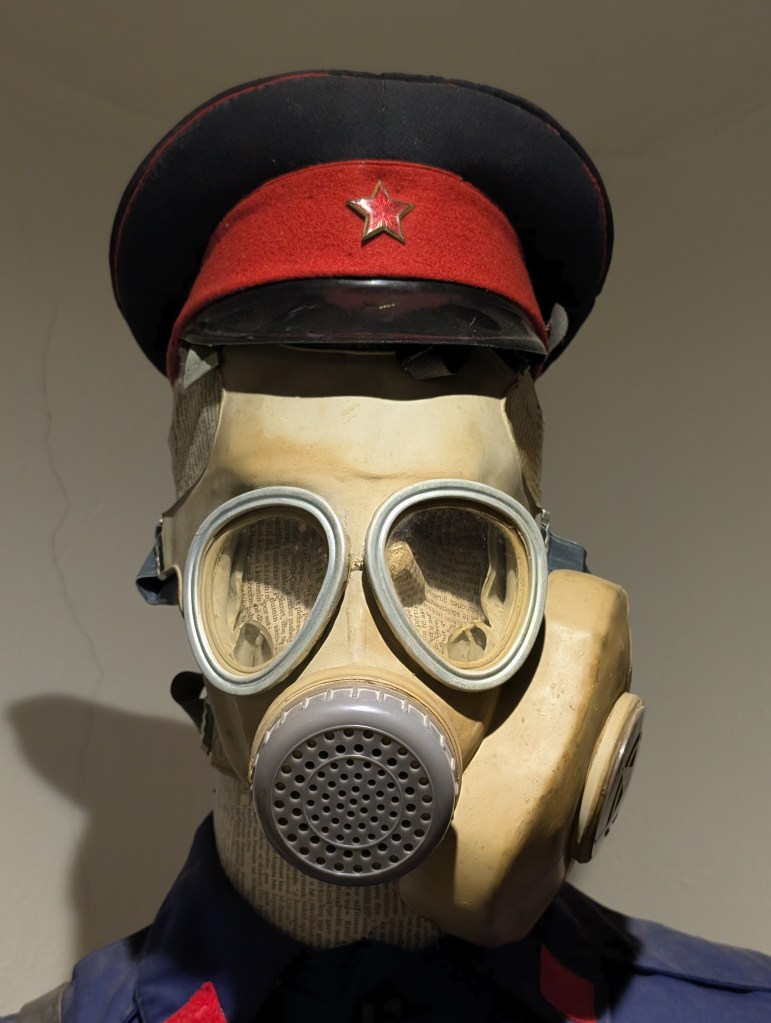
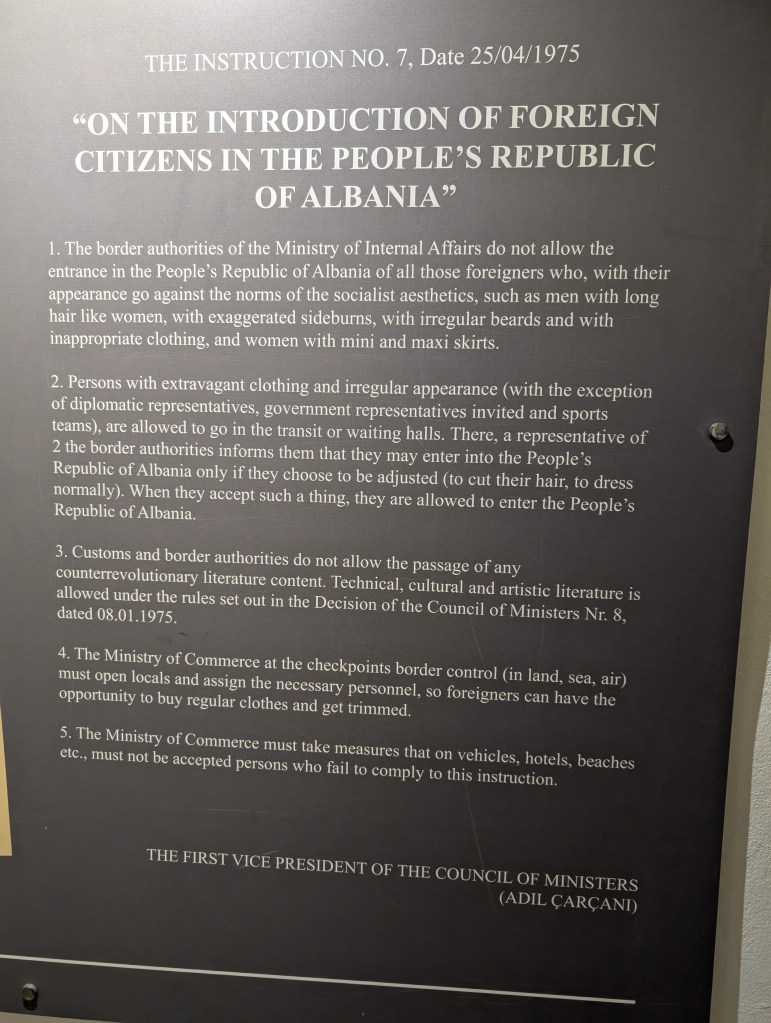
None of that seemed possible in communist Albania, at least judging by the exhibits in the bunker. Invigilation was widespread, and could even lead to a protracted diplomatic scandal, like in Popa’s family case. Being a political dissident could get you a bunk in a forced labour camp; but you could have nothing to do with politics and still end up imprisoned on the basis of one anonymous tip. Churches and mosques were closed in the sixties, and any expression of religion, even in the privacy of one’s home, was outlawed. Everything had to fit Hoxha’s twisted vision of Albanian communism: it created absurdities such as when a visitor to the country had to adhere to strict regulations regarding their hairstyle, or be submitted to a mandatory haircut at immigration.
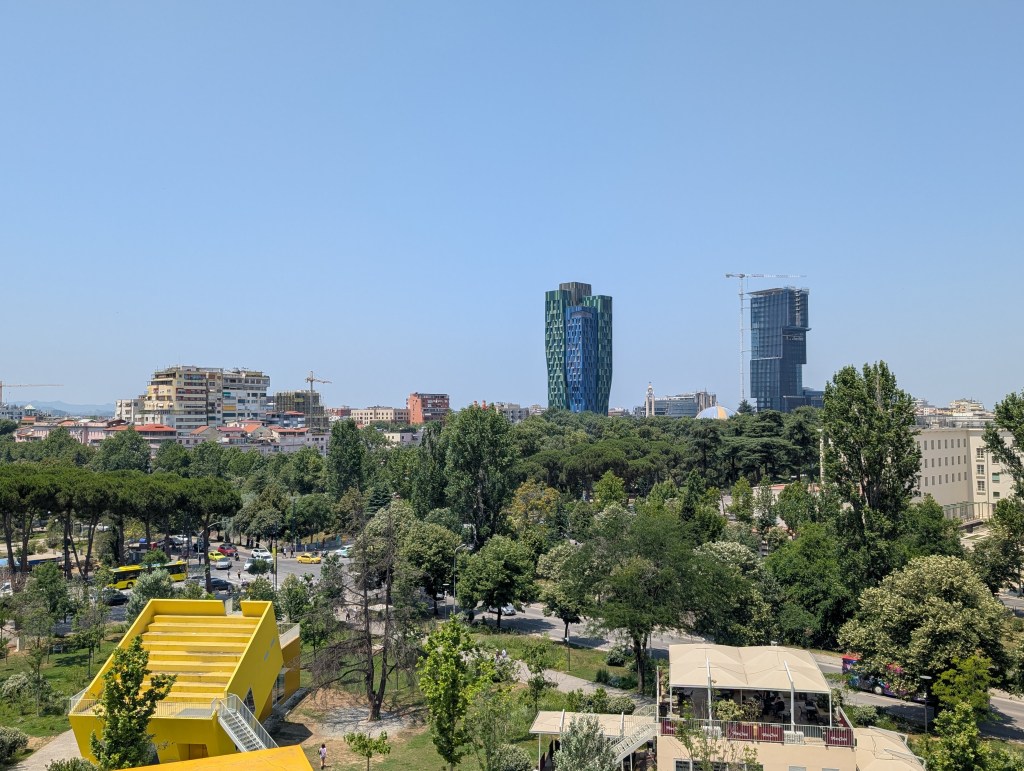
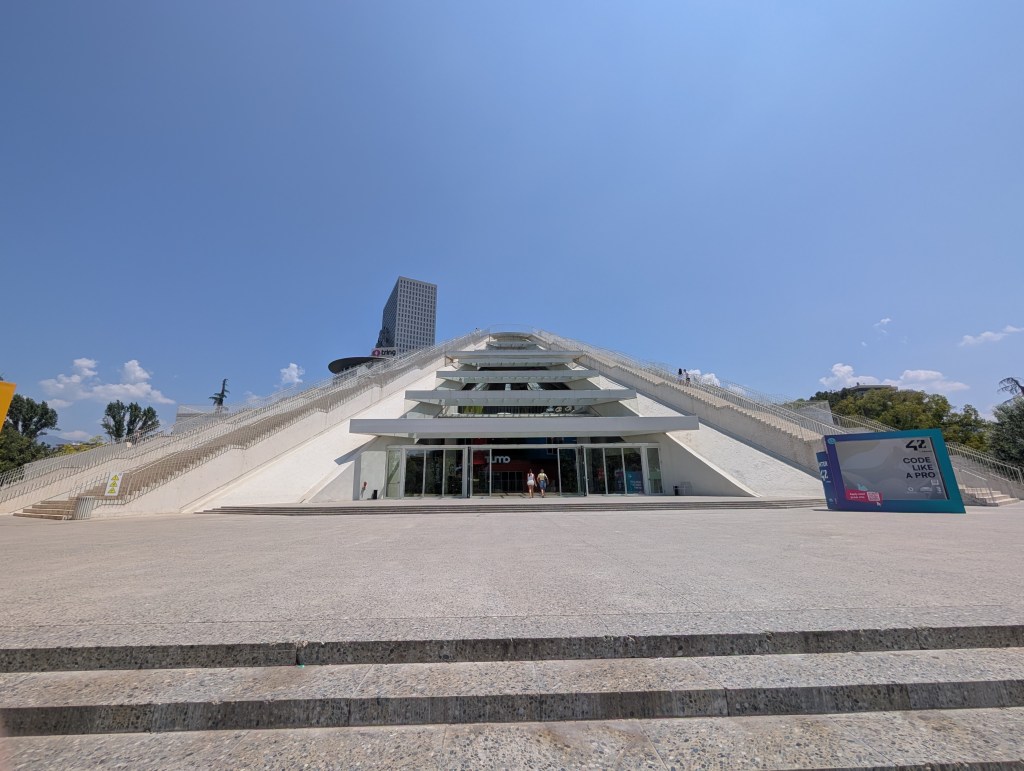
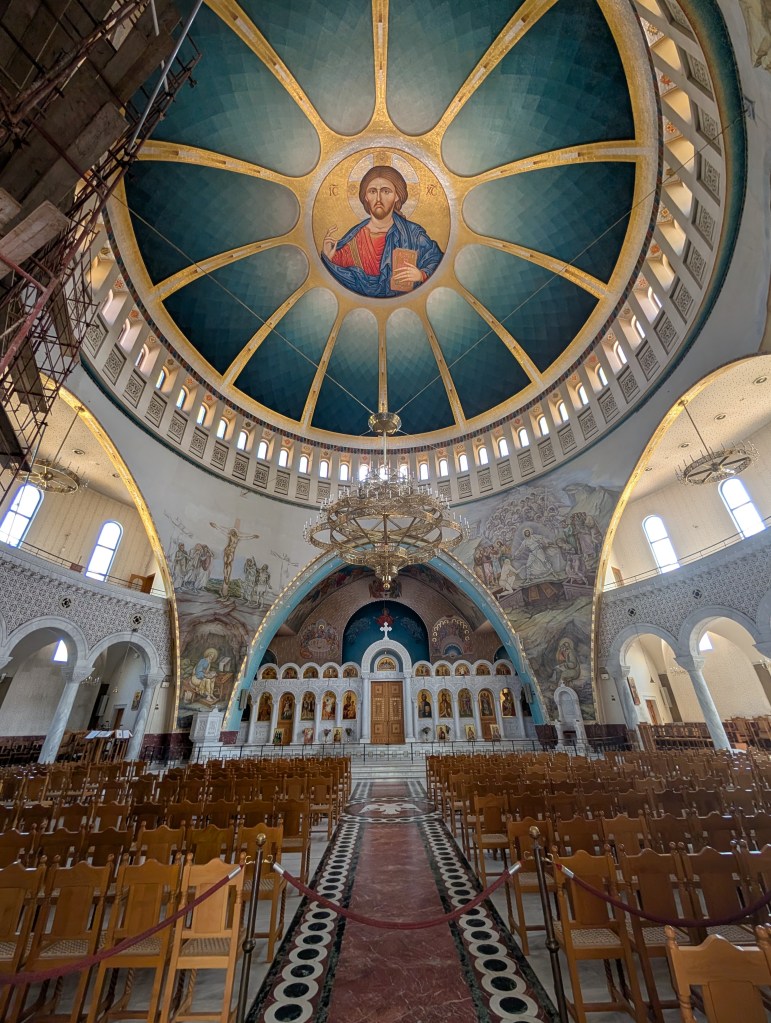
But now Albania is open, different, healing. I climb up the Hoxha’s pyramid in the center of Tirana, and it seemed bigger in the pictures I saw on the Internet. Many modern buildings far outsize this remnant of the country’s communist past. And then, I hear the church bells. Albania was supposed to be the first purely atheistic country of the world, but it didn’t work out. The gates of the Resurrection of Christ Orthodox Cathedral, finished only in 2012, are wide open, inviting any visitors needing peace and contemplation. Enver Hoxha left a legacy full of pain and heartbreak, but any sway he held over the Albanian population is long gone, His importance, just like the pyramid built to host his museum, is shrinking more and more; he is paling, until one day he becomes the colour of summer clouds, and then just like them, he’s gone forever.


Leave a Reply